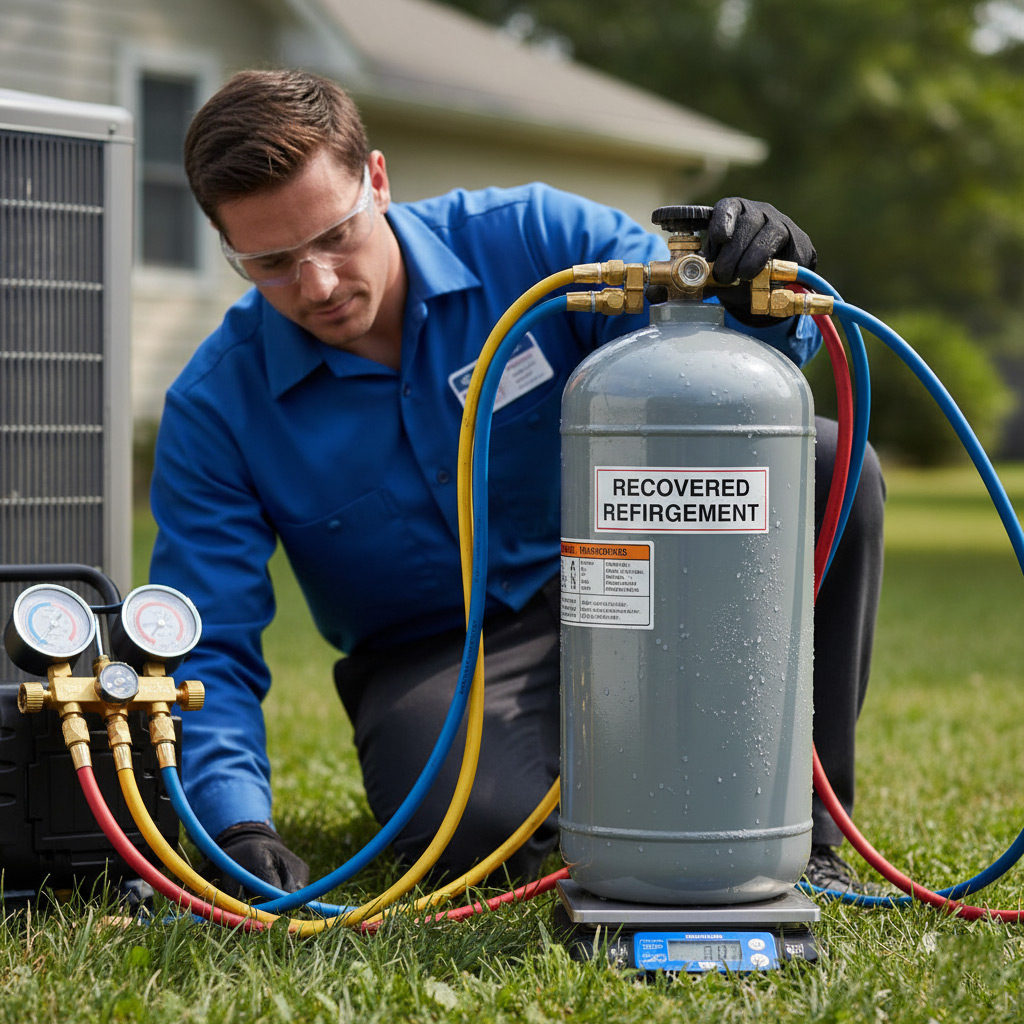
Picture this: you step into your living room after a scorching Surprise afternoon, and the air feels as stale as a closed‑up garage. Most homeowners think a quick filter swap will fix it, but the truth runs deeper than a dusty vent.
From desert dust sneaking in through cracked windows to hidden mold thriving behind drywall, the culprits are everywhere—and the “one‑size‑fits‑all” solutions sold on TV are usually just smoke and mirrors. In a city where the sun blazes 350 days a year, you need a strategy that actually works with the climate, not against it.
What if you could cut through the hype, pinpoint the real problems, and install a system that delivers fresh, clean air without breaking the bank? Keep reading and discover the facts that most HVAC pros won’t tell you.
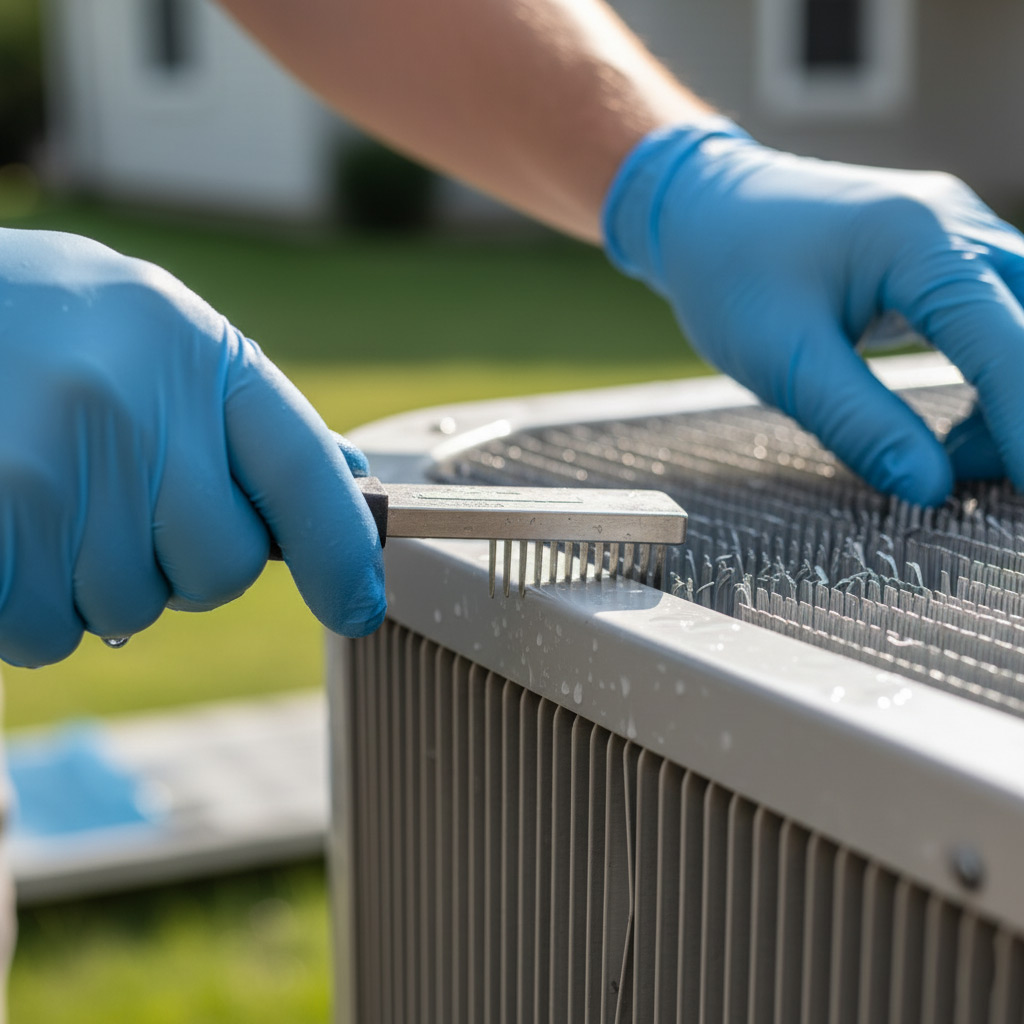
Understanding the Unique IAQ Challenges in Surprise, AZ
Surprise sits in the Sonoran Desert, so the air outside is a cocktail of sand, pollen, and the occasional tumbleweed. When that hot, dry wind sneaks through a cracked window or an unsealed door, it drags dust straight onto your furniture, carpets, and HVAC coils. That constant influx of particles means your indoor air can feel gritty even on a calm evening.
Even though the climate is arid most of the year, surprise‑season rainstorms can raise humidity just enough for mold to set up shop behind walls or under floorboards. Those hidden colonies release spores that travel through your ducts, turning a “dry” house into a sneezing factory. Don’t be fooled by the dry outside air—the indoor environment can swing wildly from bone‑dry to damp in a matter of days.
Key Factors That Shape Your Indoor Air
- Dust storms that deposit fine sand particles inside the home.
- Seasonal pollen bursts from desert shrubs and grasses.
- Temperature swings that stress HVAC filters and reduce their lifespan.
- Occasional humidity spikes that encourage mold growth behind drywall.
- Older homes with leaky ductwork that recycle contaminated air.
Assessing Your Home’s Air Quality: Tools and Professional Inspections
DIY Tools You Can Grab Today
Before you call a pro, a handheld IAQ monitor can give you a quick snapshot of particulate levels and VOCs. Pair it with a simple hygrometer to see if humidity is flirting with mold‑friendly zones.
These gadgets are cheap, plug‑and‑play, and let you spot spikes before they become headaches.
- Portable air quality meter – shows PM2.5, PM10, and CO₂ in real time.
- Digital hygrometer – keeps tabs on relative humidity.
- Smart thermostat with built‑in sensor – adds temperature and humidity data to your phone.
What a Pro Inspection Looks Like
A certified HVAC technician brings a blower‑door test, a duct leakage assessment, and a moisture meter to the table. They’ll also sniff out hidden mold with an infrared camera and take air samples for lab analysis.
The goal? Pinpoint the exact sources of contamination, not just guesswork.
- Blower‑door test – measures how much outside air sneaks in.
- Duct leakage test – finds gaps that let dust and allergens ride the airflow.
- Moisture mapping – spots damp spots behind walls before they turn into mold.
Reading the Numbers and Planning Next Steps
When your monitor flashes a high PM2.5 reading, think dust storms or construction nearby. A humidity reading above 60 %? That’s a red flag for mold growth.
Use the data to decide whether you need a whole‑house filter upgrade, a UV light, or a simple dehumidifier. The right fix saves money and keeps the air you breathe clean.
Proven Solutions: Whole‑House Filtration, UV Lights, and Humidity Control
Whole‑House Filtration
Think of a high‑grade filter as the bouncer at your front door—only the cleanest air gets past. In Surprise, the desert sand and pollen can clog a standard filter in weeks, so upgrade to a MERV 13 or higher pleated media. The result? Less dust on surfaces, fewer allergy flare‑ups, and a system that doesn’t have to work overtime.
Key perks of a whole‑house solution:
- Captures particles down to 0.3 microns
- Extends the life of your furnace and AC coils
- Reduces the load on your thermostat, saving energy
UV Lights
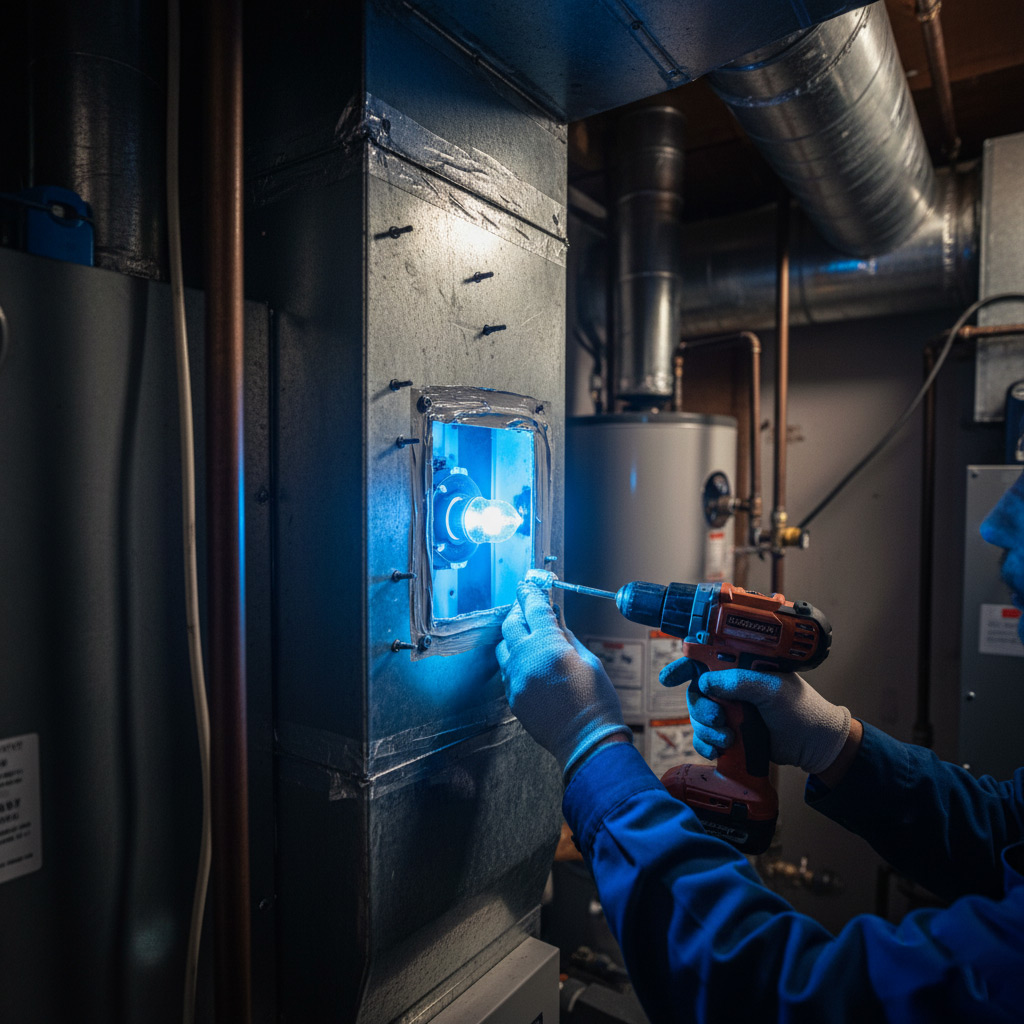
UV-C lamps sit inside the ductwork, zapping microbes the way sunlight kills bacteria on a sidewalk. They’re especially handy in a climate that swings from scorching days to damp evenings—those hidden pockets of moisture love to grow mold. A properly sized UV unit can slash mold spores by up to 99%.
When you pair UV with a good filter, you get a double‑layer defense:
- Eliminates invisible contaminants
- Improves indoor odor by neutralizing musty smells
- Low‑maintenance; most units need a bulb change only once a year
Humidity Control
Surprise may be dry most of the year, but indoor humidity can spike when you run a dishwasher or take a hot shower. Too much moisture invites mold; too little makes the air scratchy and aggravates respiratory issues. A whole‑home humidifier or dehumidifier, wired into your thermostat, keeps the sweet spot at 40‑55%.
Benefits you’ll notice fast:
- Comfortable breathing for kids and seniors
- Wood floors and furniture stay stable, no warping
- HVAC runs smoother, because the system isn’t fighting excess moisture
Integrating IAQ Solutions with Your Existing HVAC System for Maximum Efficiency
Match the hardware, not the hype
Before you slap a new filter or UV light onto the system, check the size of your return plenum. Fit matters—an oversized unit can choke airflow, while a tiny one does nothing.
Most Surprise homes use a single‑stage furnace or a heat‑pump. Those units can handle a high‑MERV filter if the blower motor is rated for the extra pressure. If you’re unsure, a quick call to a local tech will save you a costly upgrade later.
Hook up the extras without breaking the bank
Here’s a simple checklist to wire new IAQ gear into what you already have:
- Turn off power at the breaker – safety first.
- Install the whole‑house filter in the return grille; seal any gaps with foil tape.
- Mount UV lamps inside the coil housing; connect to a low‑voltage transformer.
- Attach a humidifier to the water line and link its control to the thermostat.
All of these steps can be done in a weekend with basic tools. The key is to keep the wiring tidy and label each connection – future you will thank you.
Smart controls make everything click
Pair your new components with a programmable thermostat that supports IAQ monitoring. The thermostat can trigger the UV lamp when the coil temperature spikes, or fire up the humidifier when humidity drops below 30%.
Zone dampers are another low‑cost trick. By closing off unused sections of the house, you force more conditioned air through the filter and UV light, squeezing out every ounce of clean air.
Maintenance Best Practices to Keep Your IAQ System Performing Year‑Round
Seasonal Check‑ups
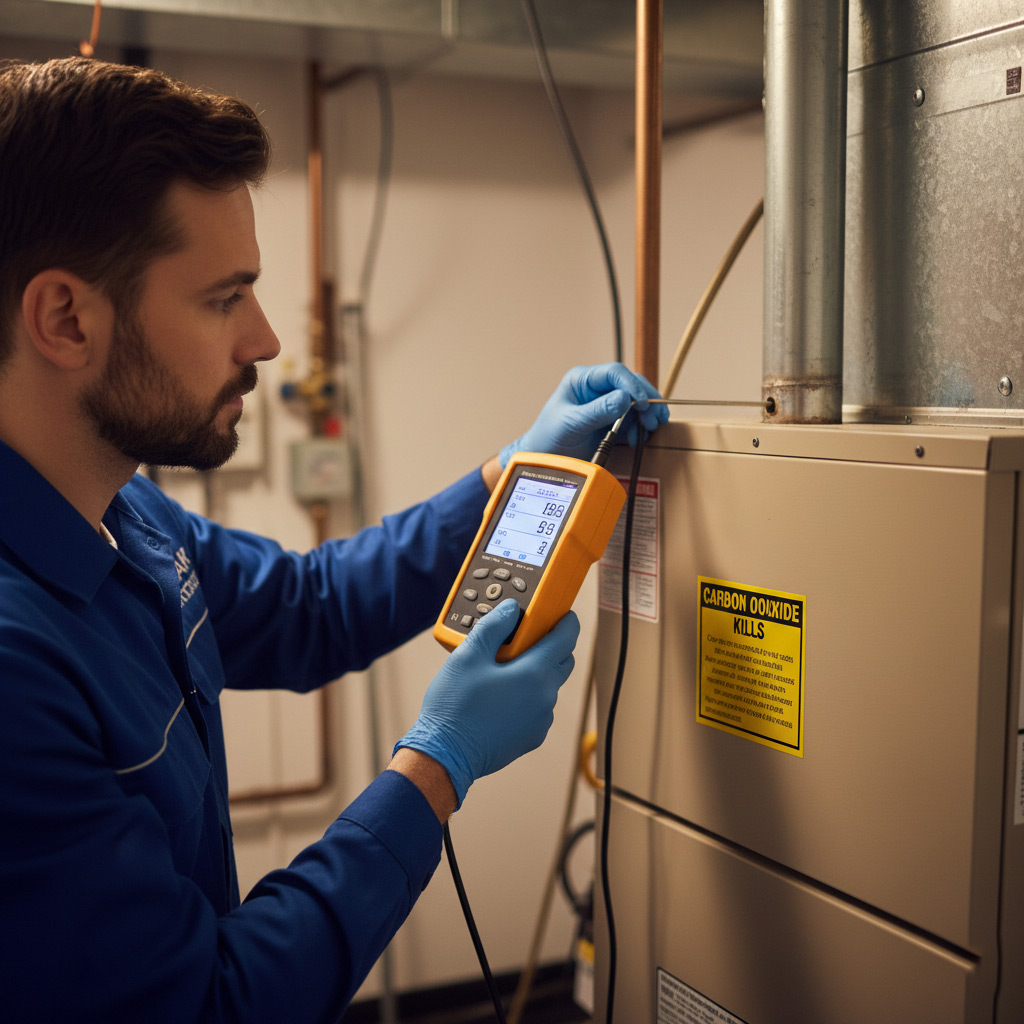
Every spring and fall, walk the perimeter of your HVAC unit and give it a quick visual once‑over. Look for dust buildup, loose connections, or any signs of water intrusion. A 15‑minute inspection can catch problems before they turn into costly repairs.
- Spring: Clear debris from outdoor coils and verify the condensate drain is clear.
- Fall: Inspect the furnace blower and replace the pre‑filter if it’s past its 30‑day mark.
Filter & UV Light Care
Filters are the first line of defense, so treat them like a toothbrush—change them regularly. In Surprise’s dusty climate, a high‑MERV filter should be swapped every 60 days, not once a year.
UV lamps love the heat but hate grime. Wipe the quartz sleeve with a soft cloth and a dab of alcohol every 90 days. If the lamp’s output drops, replace it; a dim UV light does nothing for mold spores.
Humidity & Professional Tune‑Ups
Desert air swings from bone‑dry to sticky after a monsoon. Keep your humidifier or dehumidifier calibrated with a hygrometer—target 40‑55 % relative humidity.
Schedule a certified IAQ technician at least once a year. They’ll run a pressure test, check duct sealing, and verify that your whole‑house filtration is still performing at peak levels. Think of it as a health check for the air you breathe.
Case Study: Transforming Indoor Air Quality in a Surprise Family Home
The Problem
When the Martinez family moved into their 2,300‑sq‑ft ranch, they noticed a persistent musty smell and constant sneezing, even with the AC on full blast. Dust storms from the desert settled on windows, while a hidden crawl‑space leak fostered mold behind the drywall. Their old furnace filter was a paper‑thin barrier that let particles slip right through.
The Solution
We started with a professional IAQ audit, then installed a three‑stage approach that tackled each issue head‑on:
- High‑MERV 13 whole‑house filter to trap desert pollen and fine dust.
- UV‑C light mounted in the plenum to kill mold spores before they could colonize.
- Smart humidifier set to 45% RH, keeping the indoor environment dry enough to discourage mold but comfortable for the kids.
All components were integrated into the existing HVAC system, so the family didn’t need a new furnace or extra ductwork.
The Results
Within two weeks, the Martinez home measured a 70% drop in airborne particulates, and the family reported fewer allergy symptoms. Energy bills stayed flat because the system ran at its optimal efficiency, and the UV light added less than $5 a month in electricity. The homeowners now enjoy crisp, clean air even during the peak dust‑storm season, and they’ve stopped buying disposable air fresheners altogether.
Final Words
Now that you’ve cut through the hype, it’s time to put the knowledge to work. A clean‑air strategy isn’t a one‑time purchase; it’s a habit you build into your daily routine. The sooner you act, the faster you’ll feel the difference in every breath.
Quick Wins to Boost IAQ Today
- Swap to a MERV‑13 filter and change it every 90 days.
- Run your HVAC fan on “auto” instead of “on” to avoid over‑circulating stale air.
- Place a portable HEPA unit in the room where you spend the most time.
For a lasting solution, partner with a local pro who knows Surprise’s dust‑laden winds and desert humidity. A qualified technician can run a full IAQ inspection, fine‑tune your system, and set up a maintenance schedule that fits your life. Ready to breathe easier? Check out our Indoor Air Quality services and let the experts handle the heavy lifting.
People Also Ask
What are the most common indoor air quality problems in Surprise, AZ?
Surprise’s hot, dry climate often leads to high dust levels, pollen infiltration, and low humidity, which can cause dry skin and respiratory irritation. Additionally, older homes may have outdated HVAC filters that allow allergens and pollutants to circulate.How can I test my home’s indoor air quality without hiring a professional?
You can use affordable DIY kits that measure particulate matter, VOCs, and humidity levels, or purchase a digital air quality monitor for real‑time readings. While these tools give a good snapshot, a professional inspection provides a comprehensive analysis and tailored recommendations.Do UV lights really improve indoor air quality in a residential HVAC system?
UV lights installed in the ductwork can neutralize mold spores, bacteria, and viruses, reducing airborne contaminants. For best results, pair UV treatment with high‑efficiency filtration and regular maintenance.Is a whole‑house air purifier worth the investment for a typical Surprise home?
A whole‑house filtration system captures fine particles and allergens before they reach your living spaces, improving overall comfort and health. When matched to your HVAC’s airflow capacity, it can be a cost‑effective long‑term solution.How often should I service my IAQ equipment to keep it performing year‑round?
Schedule professional maintenance at least twice a year—once before the cooling season and once before heating—to inspect filters, UV lamps, and humidity controls. Regular filter changes every 3‑6 months also help maintain optimal performance.
Surprise HVAC has been delivering reliable heating and cooling solutions to the Surprise, AZ community for over a decade. Their team of certified technicians brings extensive experience in residential and commercial HVAC systems, ensuring comfort and efficiency for local homeowners and businesses.
Need HVAC?
Rapid, reliable HVAC repair and installation that keeps your home comfortable in Surprise, AZ and surrounding ZIPs (85374, 85379, 85301, 85345, 85351). Our certified technicians diagnose and resolve issues on the first visit, so you stay cool or warm without delay.
Get HVAC Quote