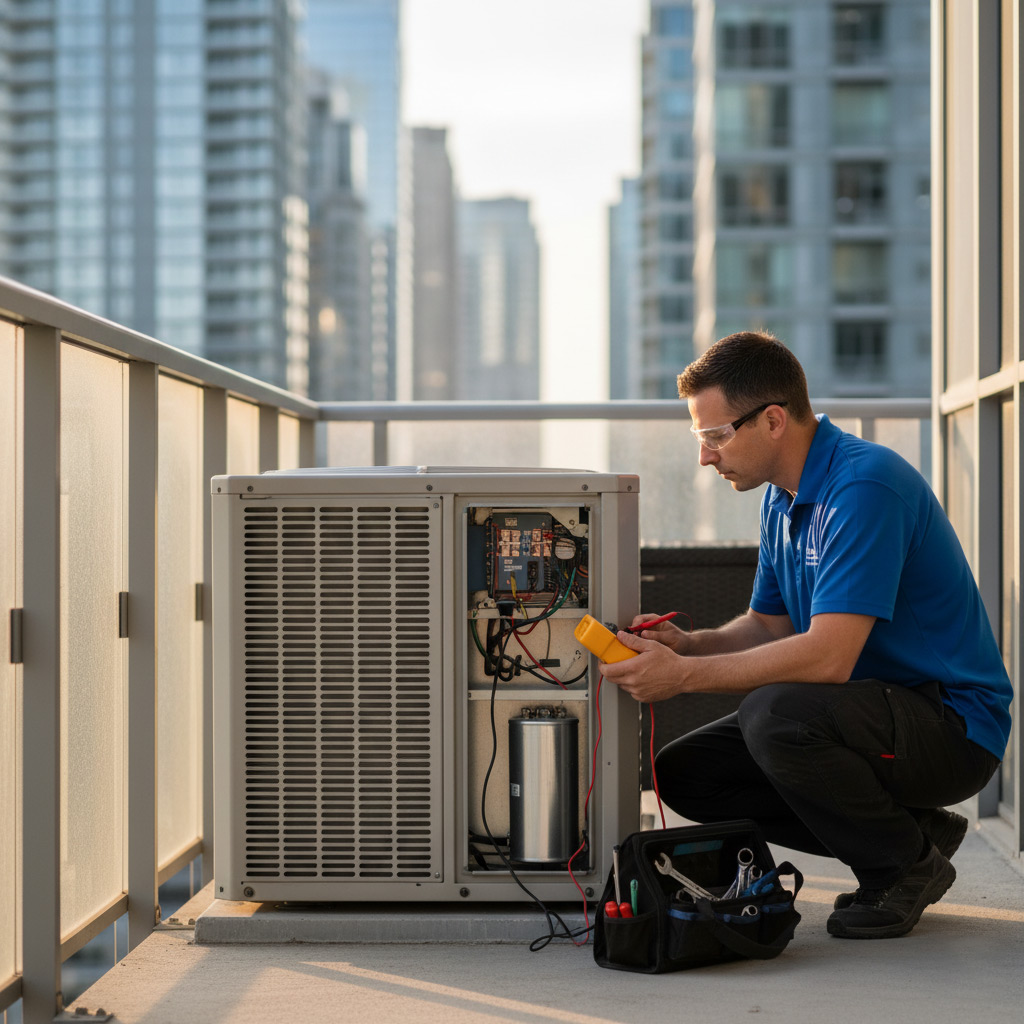
Imagine cutting your summer AC bill by a third while the desert sun blazes outside—no magic, just the habits your neighbors swear by.
Surprise homeowners have discovered a handful of low‑cost tweaks that keep their systems humming without guzzling power. From sealing that sneaky attic leak to timing the thermostat like a pro, these moves add up fast.
If you’re curious which tricks actually move the needle and how to put them into action before the next heat wave, keep reading.
Understanding Your HVAC System’s Energy Profile
Before you can shave dollars off your bill, you need to know what your AC is actually drinking. The SEER rating tells you how many BTUs of cooling you get per watt of electricity. A unit with a 14 SEER will sip power, while a 10 SEER chugs like a thirsty camel.
Read the Meter, Not the Myth
Grab your last three electric statements and look for the “peak demand” line. That number is the real clue to where the waste hides. Pair it with the runtime hours your thermostat logs and you have a clear picture of your system’s appetite.
- SEER rating – the baseline efficiency number.
- Peak demand – the highest draw during a hot day.
- Runtime hours – how long the compressor stays on.
- Indoor/outdoor temperature delta – the gap your unit is trying to close.
When those four figures line up, you can spot the outliers. A high peak demand with low runtime? Your ductwork is probably leaking. A low SEER on a brand‑new unit? Time to ask the installer for a replacement. Knowing the profile lets you target the exact levers that cut cost, not just guess.
Seal the Deal: Identifying and Fixing Air Leaks in Your Home
Every puff of unconditioned air that slips through cracks is a silent thief stealing your cooling power. Plug those gaps and you’ll feel the difference the moment the thermostat drops a few degrees.
Find the Leaks
Start with a simple “hand test.” Hold a lit incense stick near windows, doors, and outlets; if the smoke wavers, you’ve got a draft.
- Doors and windows – check the perimeter for warped frames or worn weatherstripping.
- Attic hatch – the flap often sits loose after a season of heat.
- Recessed lighting – the trim can leave a tiny opening around the fixture.
- Electrical outlets on exterior walls – a quick pull‑out reveals a gap behind the cover.
Seal Them Right
Grab a can of low‑expansion spray foam for irregular cracks, and a roll of foil‑backed tape for flat seams.
- Apply foam sparingly; it expands, so a little goes a long way.
- Wrap duct joints with mastic or UL‑rated tape – cheap tape peels off in the heat.
- Replace worn weatherstripping with a silicone‑based product; it stays flexible all summer.
- Seal the attic hatch with a magnetic gasket; it clicks shut and stays shut.
Smart Thermostat Settings for Arizona Summers
Nighttime setback: let the house breathe
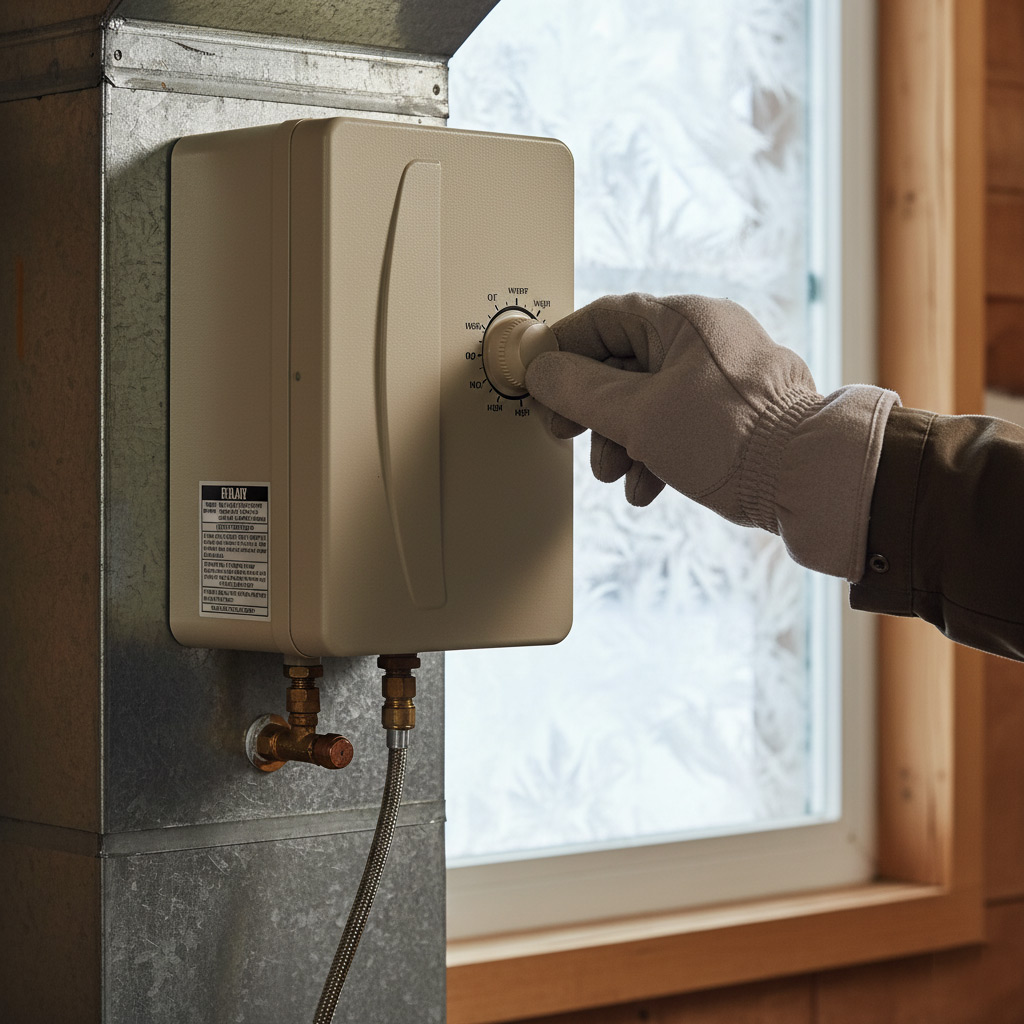
When the desert cools after sunset, drop the temperature 8‑10°F. That simple shift can shave 5‑15% off your monthly bill. The thermostat will automatically climb back up when the sun returns, so you stay comfortable without lifting a finger.
Daytime “hold” strategy
During peak heat, set a steady temperature—usually 78°F for most families. Avoid the temptation to crank it down to 70°F; the AC will run longer and waste power. A consistent setpoint lets the system run efficiently.
Utilize “away” mode and zoning
If you’re out for work or a weekend trip, activate the away mode. The system will run only enough to keep humidity in check. For homes with multiple zones, program each area based on usage:
- Living room: 78°F while you’re home
- Bedrooms: 80°F at night for better sleep
- Unused rooms: 85°F or higher
These tweaks keep the compressor from cycling nonstop, extending its life and cutting energy use.
Routine Maintenance: The Power of Seasonal Tune‑Ups
Why a Tune‑Up Matters
Every spring, a quick check‑up can shave dozens off your bill. Dirty coils force the unit to work harder, and that means higher power draw. Think of it as a health exam for your AC.
What a Pro Checks
A certified tech runs through a checklist that covers the whole system. You’ll see the difference after they finish.
- Inspect and clean the evaporator and condenser coils.
- Test refrigerant pressure and top‑off if needed.
- Lubricate moving parts to reduce friction.
- Calibrate the thermostat for accurate readings.
- Examine the blower motor and replace worn belts.
DIY Quick Wins
Before the pros arrive, you can do a few things yourself. Turn off the power, then remove the front panel and vacuum the coil fins gently. Swap out the air filter with a high‑MERV version; it’s cheap and cuts dust fast.

Upgrade Options: High‑Efficiency Filters, Ductwork, and Insulation
High‑Efficiency Filters
Swapping a standard 1‑inch filter for a MERV 13 panel can shave off a few percent of your AC’s workload. Cleaner air means the blower doesn’t have to fight grime.
Pick a filter that matches your system’s capacity—too dense and you’ll strain the motor.
- Electrostatic pleated – good for dust‑heavy homes.
- HEPA‑rated – best for allergy sufferers.
- Reusable washable – saves money over time.
Seal and Upgrade Ductwork
Leaky ducts are silent energy thieves; a quick visual check can reveal gaps the size of a coin.
Seal joints with mastic or foil tape, then consider a duct liner to boost airflow.
- Insulated ducts – keep cool air cool.
- Rigid metal over flexible – reduces vibration.
- Professional pressure test – confirms airtightness.
Boost Insulation Where It Counts
Even the best AC can’t fight a roof that lets heat pour in. Adding attic insulation is the cheapest way to lower the thermostat setting.
Target the spots that matter most: attic floor, crawl spaces, and any exposed duct runs.
- Blown‑in cellulose – fills gaps fast.
- Spray foam – creates an air barrier.
- Reflective radiant barrier – reflects sun’s rays.
Case Study: How a Surprise Home Cut AC Costs by 35%
The Baseline
When the Martinez family moved into their 2,200‑sq‑ft ranch in 2022, their first summer bill hit $1,200. They were running the thermostat at 78°F nonstop and never checked the ductwork. The old unit was a 10‑year‑old split‑system that sputtered on hot days.
The Intervention
We rolled up our sleeves and tackled three quick wins:
- Sealed attic leaks with foil‑tape and spray foam – a $150 investment.
- Installed a smart thermostat and programmed a 4‑hour “away” schedule – no extra cost.
- Swapped the 1‑inch filter for a high‑MERV 13 version – $30 and a simple DIY.
Each tweak shaved a few dollars off the meter, but together they added up fast. Within two months the Martinez’s bill dropped to $780, a clean 35% reduction.
What It Means for You
Those three actions cost under $200 total, yet they delivered a $420 savings in one season. That’s a 210% return on investment before any tax credits. Replicate the steps, and you’ll see the same kind of payoff in your own Surprise home.
Final Words
Don’t wait for the next heat wave to discover a problem. A quick call to a certified tech before the season peaks can lock in the savings you’ve been eyeing. Proactive maintenance beats emergency repairs every time.
Take Action Today
- Schedule a HVAC Tune‑Up before May.
- Inspect your thermostat settings and adjust for night‑time setbacks.
- Seal any visible cracks in doors, windows, and the attic floor.
Local rebates are still rolling out for high‑efficiency upgrades. Check the city’s energy portal, grab the paperwork, and let your installer handle the rest. It’s a small paperwork chore for a big payoff.
When you’re ready to move from “maybe” to “done,” reach out to a Surprise‑based HVAC crew that knows the desert’s quirks. They’ll walk you through the checklist, run a diagnostic, and set you up for a cooler, cheaper summer.
People Also Ask
How can Surprise, AZ homeowners reduce HVAC energy use without major upgrades?
By sealing gaps around doors, windows, and ductwork, residents prevent conditioned air from escaping. Adjusting thermostat settings to 78°F (26°C) when home and using fans for airflow also cuts consumption.What thermostat settings are most efficient for Arizona’s summer heat?
Set the programmable thermostat to 78°F (26°C) while you’re home and raise it 5‑7°F (3‑4°C) when you’re away or sleeping. Use the “eco” or “away” mode to let the system run only when needed.How often should a Surprise resident schedule an HVAC tune‑up?
A professional tune‑up is recommended twice a year—once before the summer cooling season and once before winter heating. This ensures optimal performance and catches issues before they waste energy.Do high‑efficiency filters really impact energy bills?
Yes; filters with a MERV rating of 13 or higher capture more particles, keeping coils clean and reducing strain on the system. Cleaner coils run more efficiently, often lowering electricity use by 5‑10%.Is upgrading duct insulation worth the investment in Surprise homes?
Upgrading to insulated, sealed ducts can prevent up to 30% of conditioned air loss, especially in attics and crawl spaces. The energy savings typically offset the installation cost within 2‑3 years.
Surprise HVAC brings over a decade of certified HVAC expertise to homes and businesses throughout Surprise, AZ. Their team combines thorough training with a deep understanding of the local climate to deliver reliable heating and cooling solutions. Committed to responsive service, they prioritize comfort and efficiency for the community they serve.
Need HVAC?
Rapid, reliable HVAC repair and installation that keeps your home comfortable in Surprise, AZ and surrounding ZIPs (85374, 85379, 85301, 85345, 85351). Our certified technicians diagnose and resolve issues on the first visit, so you stay cool or warm without delay.
Get HVAC Quote