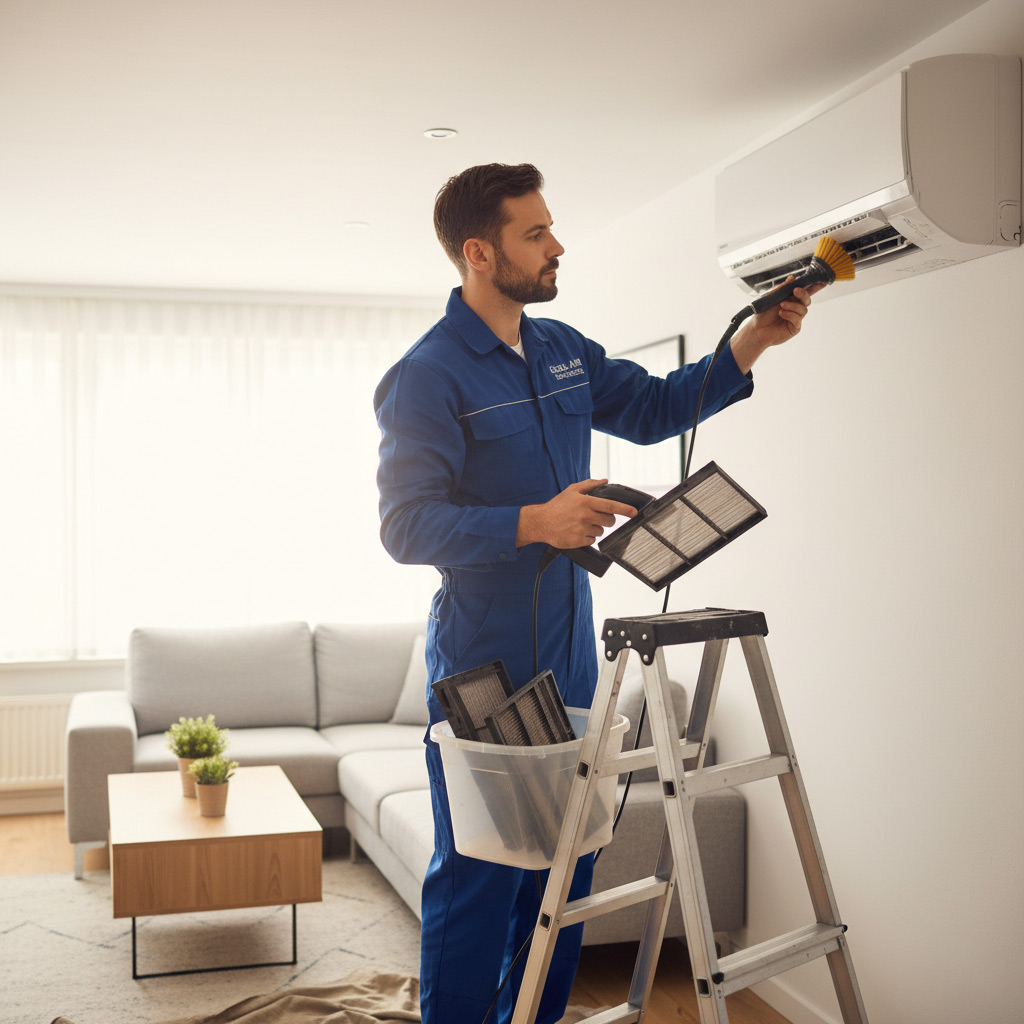
Imagine stepping into your home on a scorching summer afternoon and feeling a blast of perfect cool air the moment you walk through the door. That instant relief is the promise of a properly installed AC, and in Surprise, AZ, it’s more than a luxury—it’s a survival skill.
But a brand‑new system isn’t just a plug‑and‑play purchase. You’ve got to juggle the right size unit, local code requirements, and a timeline that fits your busy life. Miss one piece and you could end up paying for a mistake that could have been avoided.
That’s why we’ve mapped out every critical step—from the first home assessment to the final test run—so you can move forward with confidence and keep your wallet happy.
Stick around and we’ll walk you through each phase, showing you exactly what to expect so you can enjoy that cool breeze without the guesswork.
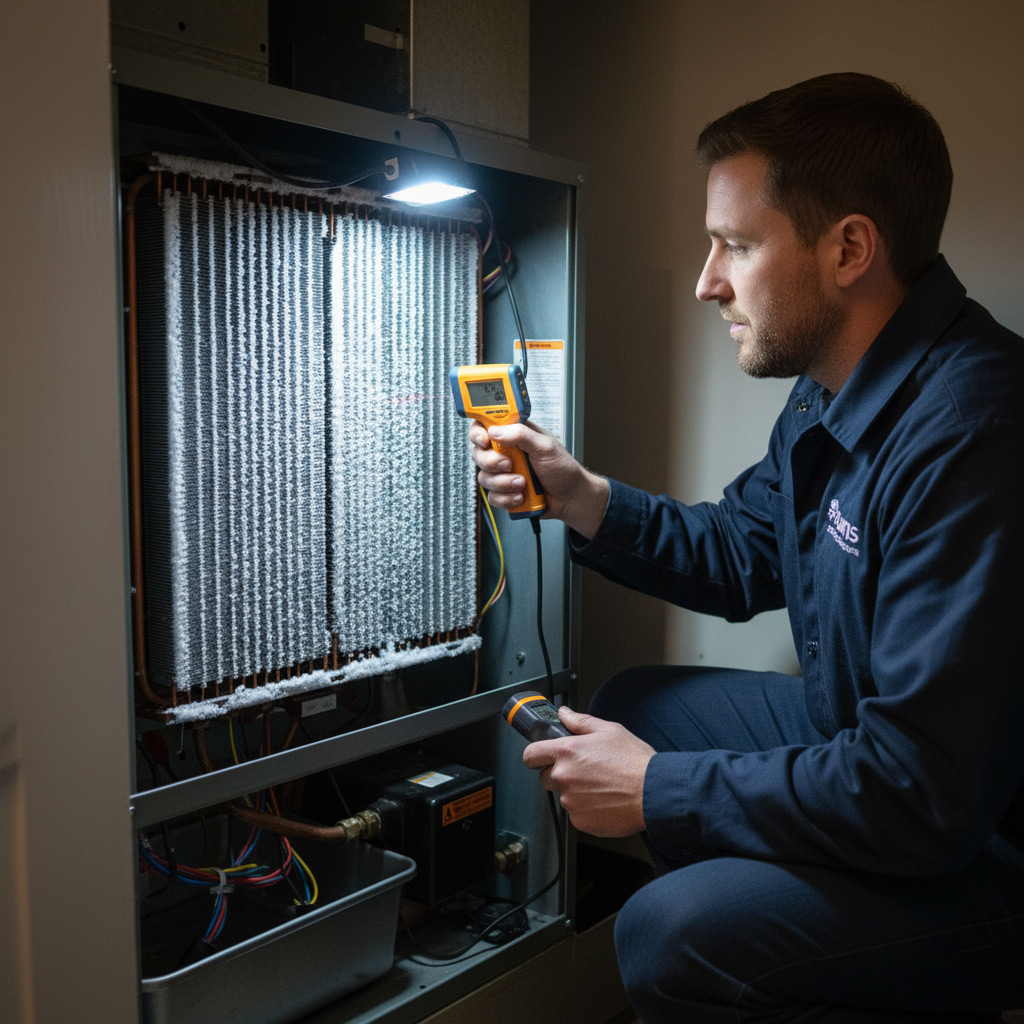
Assessing Your Home’s Cooling Load: Proper Sizing and System Selection
Why Size Matters
Too big a unit will cycle on and off like a nervous rabbit, wasting power and never reaching true comfort. Too small, and you’ll hear it whine all summer while the thermostat stays stubbornly high. Getting the size right the first time saves money and headaches.
How to Calculate Your Load
Professional installers run a Manual J analysis, but you can get a solid estimate by looking at the basics:
- Square footage – larger homes need more BTUs.
- Sun exposure – south‑facing windows add heat.
- Insulation quality – thin walls let the desert in.
- Occupancy and appliances – people and kitchens generate warmth.
Combine those numbers, and you’ll land on a cooling capacity that matches your house, not your guesswork.
Choosing the Right Unit
Once you know the load, pick a system that meets it without overkill. Look for a SEER rating of 14 or higher; that’s the sweet spot for Arizona’s scorching days. Decide between a split‑system, a ductless mini‑split, or a heat‑pump based on your ductwork and future plans. Quality brands backed by local service contracts give you peace of mind when the heat spikes.
Understanding Surprise, AZ Building Codes, Permits, and Inspection Requirements
Local Code Basics
Surprise follows the Arizona Residential Code (ARC) and the International Mechanical Code (IMC). Every new AC unit must meet the minimum SEER rating set by the state, and ductwork has to be sealed to the standards outlined in Chapter 5.
Key points to remember:
- Clearance distances from windows, doors, and combustible materials.
- Proper refrigerant line sizing to avoid over‑pressurization.
- Mandatory energy‑conservation measures for homes larger than 2,000 sq ft.
Permits: Who, What, When
Before any equipment touches the roof, you’ll need a mechanical permit from the City of Surprise Development Services. The application is a one‑page form, but you’ll have to attach a load‑calculation report and a layout drawing.
Typical turnaround:
- Submit online → 48 hours for review.
- Pay the fee (usually $120‑$180).
- Receive a permit sticker to affix to the unit.
Inspection Checklist
Once the crew finishes the install, a city inspector swings by for a final check. They’ll verify that the unit matches the approved plans, that all electrical connections are code‑compliant, and that the refrigerant charge is within spec.
If anything’s off, you’ll get a short list of corrections. Fix them, schedule a re‑inspection, and you’re good to go—no more waiting, no more guesswork.
Choosing the Ideal AC Unit: Types, Efficiency Ratings, and Brand Considerations
Know Your Options
Central split systems dominate most Surprise homes, but a ductless mini‑split can be a game‑changer for additions or tight spaces. Heat pumps double as heaters, cutting down on separate equipment. Packaged units sit on the roof or slab and handle both cooling and heating in one box.
Read the SEER Numbers
SEER (Seasonal Energy Ratio) tells you how much cooling you get per unit of electricity. Higher SEER means lower bills, but the sweet spot usually lands between 14 and 18 for Arizona’s climate. Keep an eye on the HSPF rating if you’re eyeing a heat pump—higher numbers equal better performance in winter.
Brand Reputation & Service
Big names like Carrier, Trane, and Lennox have solid warranties and a network of local techs. Smaller brands may offer a lower upfront price, but ask yourself: Will I find a qualified installer nearby? Look for:
- Dealer support in Surprise, AZ
- Availability of genuine parts
- Customer reviews that mention long‑term reliability
Choosing a brand with a strong service footprint can save you headaches when the desert heat peaks.
Step‑by‑Step Installation Process: Ductwork, Electrical Work, and Unit Placement
First, the crew does a walk‑through to confirm clearances and mark where the new components will live. They double‑check the load calculation, then lock in the exact spot for the furnace, air handler, and outdoor condenser. Nothing gets left to guesswork.
Ductwork & Electrical
Old ducts get a thorough inspection; any leaks are sealed, and undersized runs are replaced with properly sized, insulated metal. The electrician runs a dedicated 240‑volt line, installs a disconnect box, and ties everything into your home’s main panel.
- Seal and insulate every joint to stop conditioned air from escaping.
- Use rigid metal where space allows; it’s quieter and lasts longer.
- Label all wires and breakers for future service calls.
- Verify voltage and amperage match the AC unit’s specs before the final hookup.
Unit Placement
The outdoor condenser goes on a level, vibration‑isolated pad with at least two feet of clearance on all sides. Inside, the air handler sits on a sturdy platform, level, and close to the return plenum for optimal airflow. Once everything is hooked up, the tech runs a full system test, checks refrigerant pressures, and makes sure the thermostat talks to the unit without a hitch.
Optimizing Energy Efficiency: Smart Thermostats, Zoning, and Maintenance Plans
Smart Thermostats
Installing a Wi‑Fi thermostat turns your AC into a responsive partner, not a stubborn appliance. It learns when you’re home, adjusts on the fly, and lets you tweak settings from your phone.
Key perks:
- Remote control saves you from wasted cooling while you’re at work.
- Automatic scheduling cuts the bill without you lifting a finger.
- Real‑time alerts warn you of performance dips before they become costly repairs.
Zoning Systems
Imagine telling the bedroom to stay cool while the garage stays a little warmer. Zoning lets you set independent temperatures for each area, so you never over‑condition a space you’re not using.
Typical zones include:
- Living areas – the heart of the home, often the biggest load.
- Bedrooms – a lower set point for better sleep.
- Basement or garage – a modest setting to keep humidity in check.
Fewer degrees wasted means a smaller electric bill and a longer‑lasting unit.
Maintenance Plans
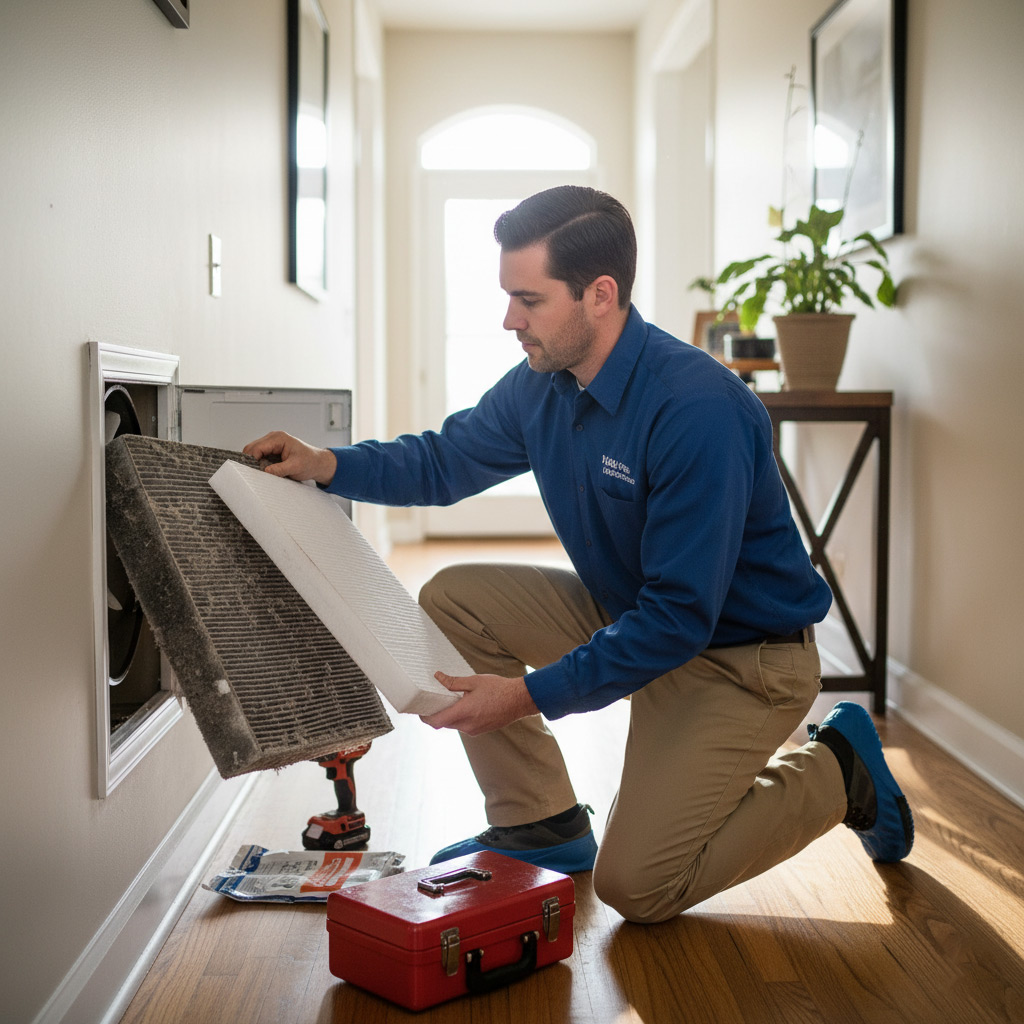
Think of a maintenance plan as a health check‑up for your AC. A qualified tech will clean coils, tighten connections, and verify refrigerant levels before the desert heat hits.
Regular service delivers:
- Consistent airflow that keeps rooms evenly cool.
- Early detection of wear, preventing surprise breakdowns.
- Extended warranty coverage that protects your investment.
Schedule the visit during the shoulder season—October or March—to avoid the rush and lock in a lower rate.
Case Study: A Seamless New AC Installation for a Surprise Family Home
The Home & the Challenge
When the Martinez family moved into their 2,300‑sq‑ft ranch in Surprise, the summer heat hit them like a furnace. Their old split‑system sputtered, leaving rooms at 85°F while the thermostat read 72°F. They needed a solution that wouldn’t break the bank or keep them waiting months.
The Process in Action
Our techs started with a precise load calculation, confirming a 3‑ton unit was the sweet spot. We filed the required Surprise building permits within 48 hours, and the city inspector gave the green light on day three.
Installation day was a well‑orchestrated dance:
- Old condenser removed and responsibly recycled.
- New ductwork sealed with mastic, eliminating leaks.
- Electrical panel upgraded to handle the extra load.
- Unit placed on a pre‑pared concrete pad, level to the millimeter.
Within eight hours, the system was humming, and we ran a full performance test. The thermostat—now a smart model—showed a steady 72°F across every zone.
The Payoff
Three weeks later, the Martinez kids were playing video games without a single sweat drop. The family saved roughly 15% on their monthly electric bill, thanks to the unit’s SEER 16 rating and the new zoning controls.
We set them up with a bi‑annual maintenance plan, so the system stays crisp for years to come. The Martinez’s story proves that a well‑planned install can turn a scorching nightmare into a cool, worry‑free reality.
Final Words
Ready to lock in that cool‑down feeling? The fastest way to get the ball rolling is to give our crew a call, set up a free on‑site assessment, and let us handle the paperwork while you focus on staying comfortable.
When the job’s done, you’ll walk away with:
- A perfectly sized unit that won’t waste power.
- A system installed by certified pros who know every Surprise, AZ code.
- Peace of mind from a solid warranty and a maintenance plan that keeps the air crisp year after year.
Got questions or want to see more examples of our work? Check out our AC Installation page for details on services, pricing, and real‑world results. We’re here to make sure your home stays chill without the guesswork.
People Also Ask
What factors determine the proper AC size for a home in Surprise, AZ?
A professional load calculation considers square footage, ceiling height, insulation levels, window orientation, and local climate. Proper sizing ensures comfort, efficiency, and prevents premature wear on the system.Do I need a permit for a new AC installation in Surprise, AZ?
Yes, the City of Surprise requires a mechanical permit for any new air‑conditioning system. The permit must be obtained before installation, and the work is subject to inspection to verify code compliance.Which AC efficiency rating should I look for in the desert climate of Surprise?
Aim for a SEER rating of 16 or higher; units with SEER 18+ provide the best balance of performance and energy savings in hot, dry conditions. Higher SEER units may qualify for rebates and lower utility bills.Can I install a smart thermostat with a new AC system?
Absolutely. Smart thermostats integrate with most modern HVAC units, allowing remote control, scheduling, and energy‑usage insights that can reduce cooling costs by up to 15%.How long does a typical new AC installation take in Surprise?
A standard residential installation usually takes 1–2 days, including ductwork modifications, electrical connections, and final testing. Complex projects or extensive retrofits may require additional time.
Surprise HVAC brings over a decade of residential and commercial climate control expertise to the Surprise, AZ community. Their team of certified technicians is dedicated to delivering reliable heating and cooling solutions tailored to local needs. With a focus on prompt service and lasting performance, they keep homes and businesses comfortable year-round.
Need HVAC?
Rapid, reliable HVAC repair and installation that keeps your home comfortable in Surprise, AZ and surrounding ZIPs (85374, 85379, 85301, 85345, 85351). Our certified technicians diagnose and resolve issues on the first visit, so you stay cool or warm without delay.
Get HVAC Quote