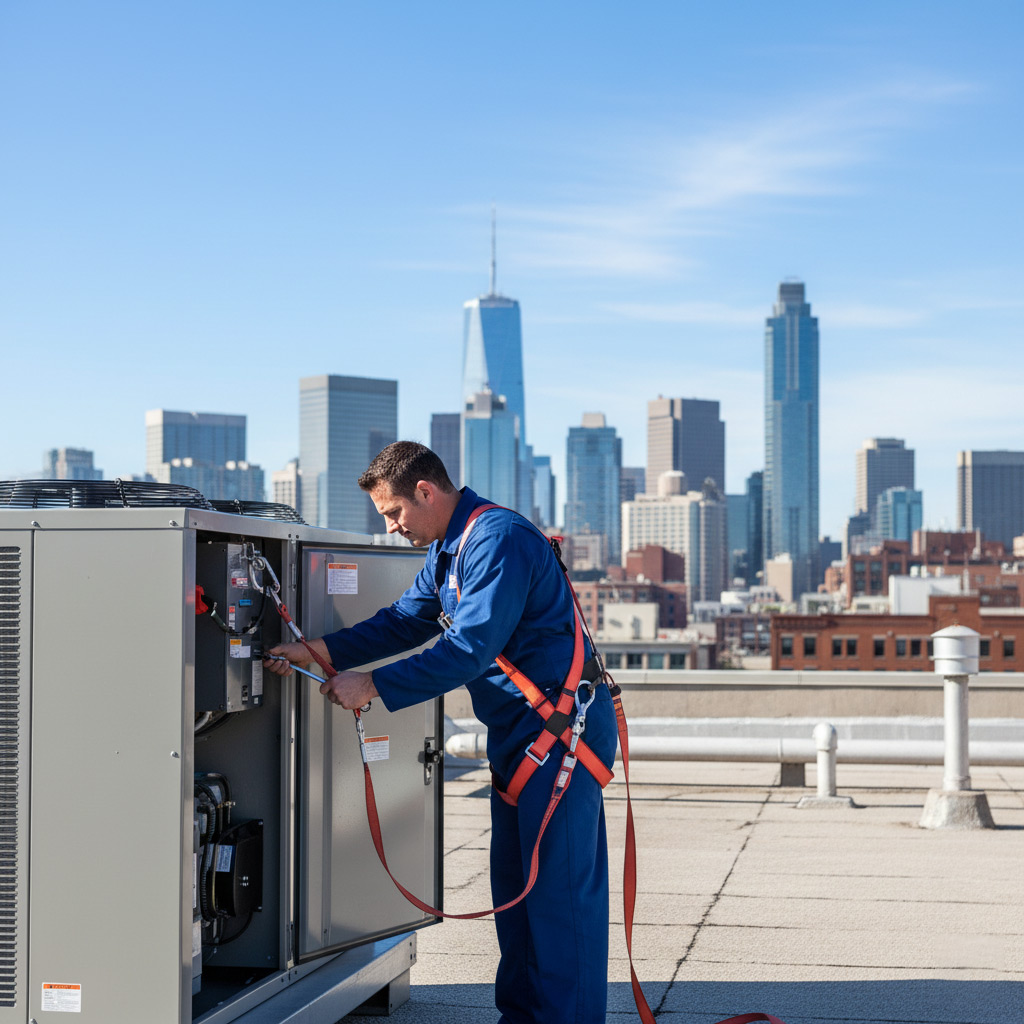
Picture this: it’s the first cold snap of the year, you crank the thermostat, and your furnace coughs out a weak puff before going silent. That gut‑wrenching moment is what every homeowner in Surprise wants to avoid.
In a place where scorching summers give way to surprisingly brisk winters, a well‑tuned furnace is the difference between cozy evenings and costly repairs. Skipping the basics can turn a simple heat‑up into a nightmare you’ll wish you’d prevented.
Most residents think a quick glance at the filter is enough, but the truth is a handful of easy steps can extend the life of your system and keep your energy bill in check. Ignoring those steps is like driving a sports car without oil—sure, it’ll run for a while, then it’ll quit.
Ready to stop guessing and start mastering furnace care? Let’s dive into the exact checklist that will keep your home warm and your wallet happy all season long.
Understanding Furnace Types and Their Performance in Surprise, AZ
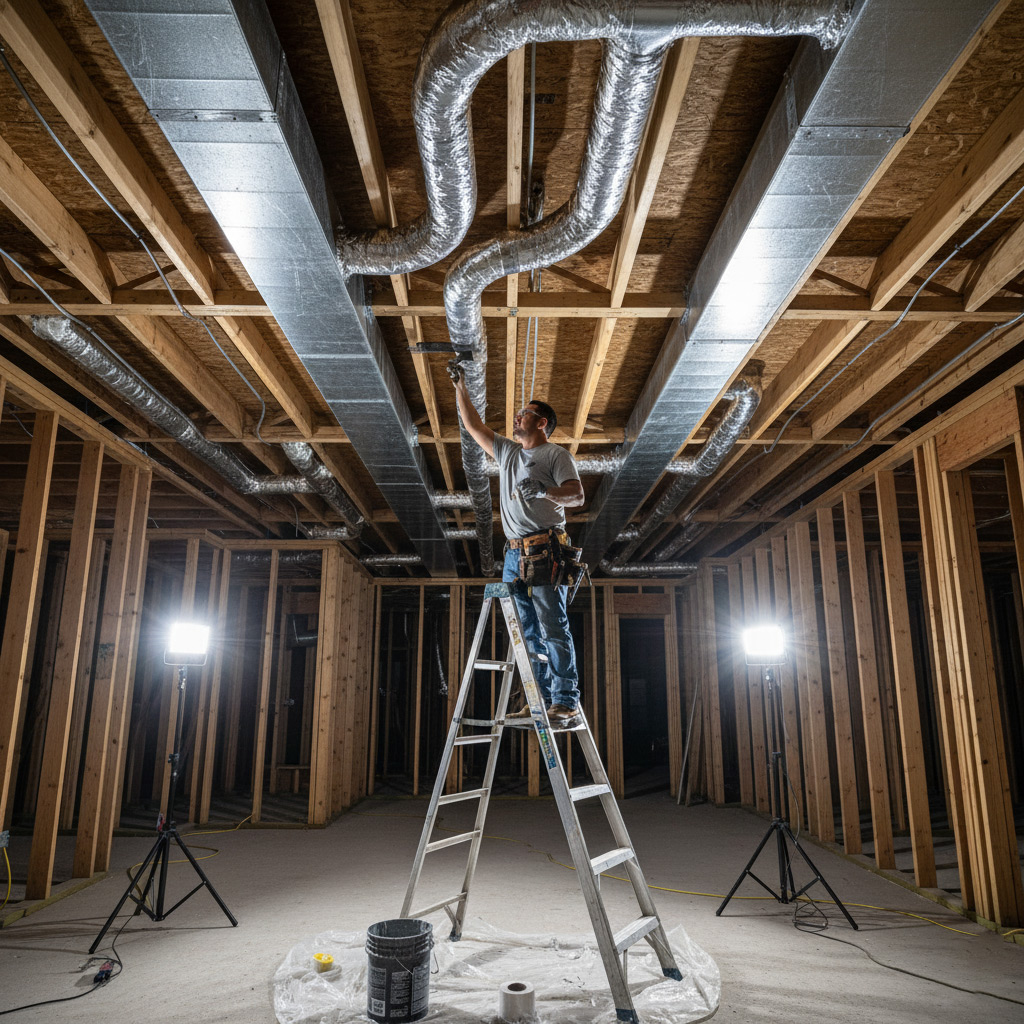
Surprise’s desert swing from 100‑degree days to sub‑50 nights means you need a furnace that can handle rapid temperature changes without breaking a sweat. The three most common units in the area are natural‑gas furnaces, electric furnaces, and heat‑pump hybrids. Each one has a personality, and knowing that personality helps you avoid costly surprises when the first cold front hits.
Gas Furnaces – The Workhorse
- Fast heat output: Gas burners ignite instantly, delivering warm air in minutes.
- High AFUE ratings (often 90%+), meaning more heat for less fuel.
- Requires regular vent inspection to keep carbon monoxide at bay.
Electric Furnaces – Quiet and Compact
- No venting needed; perfect for tight spaces.
- Lower upfront cost, but electric rates can make running costs climb in winter.
- Ideal for homes with solar panels or where gas lines are unavailable.
Heat‑Pump Hybrids – The All‑Season Player
- Switches between electric heat and heat‑pump mode based on outdoor temperature.
- Delivers comfort while keeping bills in check during mild winters.
- Performance drops when temps dip below 30°F, so a backup furnace is often added.
Choosing the right furnace isn’t just about price; it’s about matching the unit’s strengths to Surprise’s climate quirks. A properly sized gas furnace will breeze through a 20‑degree night, while an undersized electric model will struggle and drive up your electric bill. Talk to a local HVAC pro who knows the desert’s temperature swings, and you’ll end up with a system that runs smooth all winter long.
Seasonal Inspection Checklist: Preparing Your Furnace for Winter
Why a Pre‑Winter Walk‑Through Matters
Before the desert chill settles in, a quick visual sweep can save you from a costly freeze‑out. Spotting dust, rust, or loose wires now means you won’t be shivering in the middle of a night‑time power outage.
Grab a flashlight and run through this short list:
- Check the furnace’s exterior for debris or animal nests.
- Inspect the vent pipe for cracks or blockages.
- Listen for unusual rattles when the blower kicks on.
Key Components to Verify
Temperature control isn’t just about turning a dial; it’s about confidence that the system will respond.
Make sure these parts are in tip‑top shape:
- Thermostat calibration – set it a few degrees lower than usual and watch the furnace fire up.
- Safety limit switch – it should click firmly when you press the test button.
- Burner assembly – look for soot buildup; a clean burner means efficient heat.
When to Call the Pros
If anything feels off, don’t gamble with a DIY fix that could void your warranty.
Schedule a professional tune‑up when you notice:
- Flickering pilot light or failure to ignite.
- Frequent short‑cycling (the furnace turns on and off quickly).
- Unexplained spikes in your energy bill.
DIY Maintenance Tasks: Cleaning, Filter Replacement, and Airflow Optimization
Quick‑Clean the Burner and Heat Exchanger
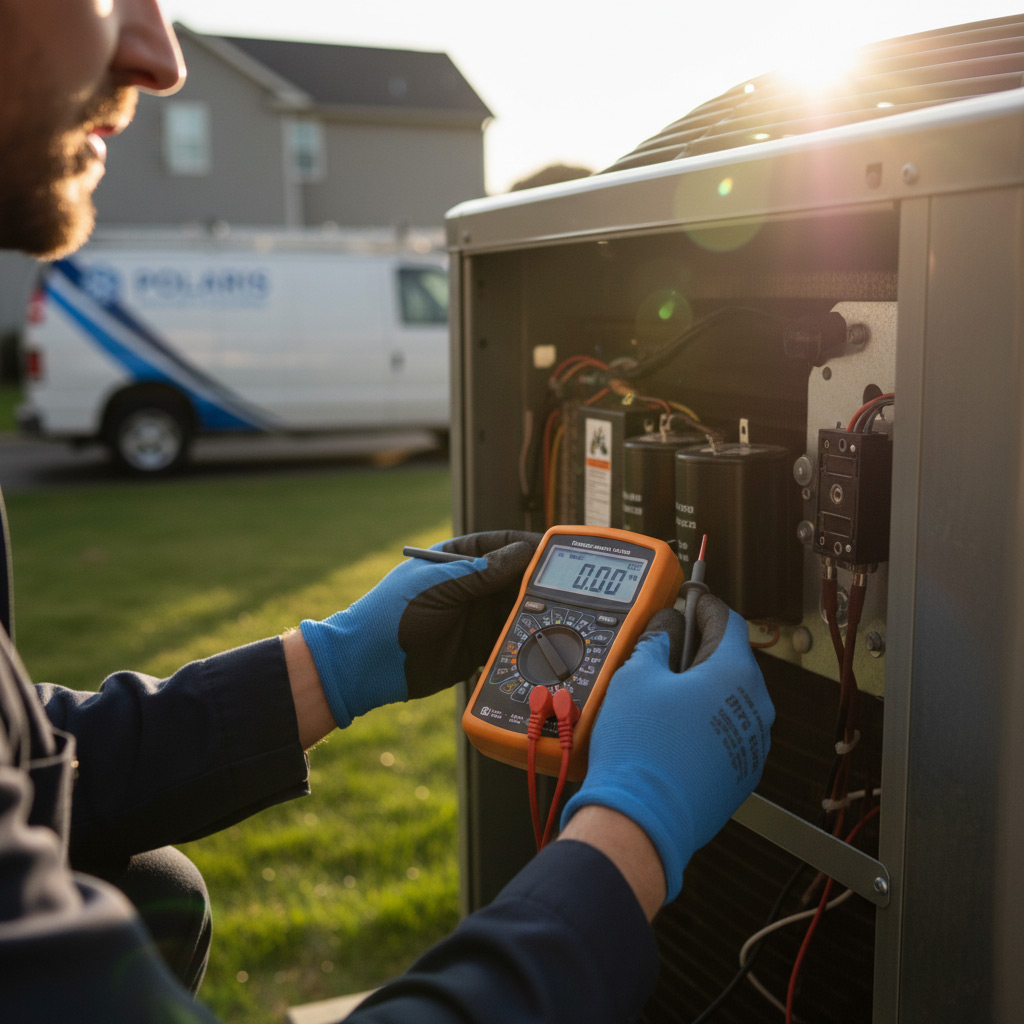
Turn off power, then remove the access panel. Use a soft brush or vacuum with a narrow nozzle to sweep away dust and cobwebs that settle on the burner ports. A clean heat exchanger runs hotter, which means your furnace doesn’t have to work overtime.
Filter Replacement – The 30‑Second Miracle
Locate the filter slot (usually behind the return grille). Pull the old filter out, note its size, and slide in a new MERV‑8 or higher rated filter. If you’re on a tight budget, a reusable pleated filter can be washed every 30 days and reused for a year.
- Check the filter monthly during peak heating months.
- Replace it at least every 90 days if you have pets or allergies.
- Never skip this step – a clogged filter chokes airflow and spikes your electric bill.
Boost Airflow with Duct and Register Care
Walk around each room and make sure registers are fully open; closed vents are a silent furnace killer. Inspect visible ductwork for dents or loose connections; a quick tape job can seal leaks that waste heat.
Finally, run a fan‑only cycle for five minutes after cleaning. Feel the breeze at each vent – if it’s weak, you probably missed a blockage. A little attention now saves you from a costly service call later.
Warning Signs: When to Call a Professional HVAC Technician
When your furnace starts acting like a reluctant teenager, it’s time to stop guessing and pick up the phone. Strange noises, uneven heat, or a thermostat that refuses to stay set are red flags you can’t ignore.
Common Red Flags
- Rattling or squealing – metal parts grinding is never normal.
- Heat that fluctuates from room to room – indicates airflow problems.
- Frequent cycling – the unit turns on and off too quickly, wasting energy.
- Unusual odors – a sour or burning smell means something’s wrong.
If any of these show up, don’t try a DIY fix that could void your warranty. A certified technician has the tools and knowledge to diagnose the issue safely.
When DIY Isn’t Enough
Replacing a filter or cleaning the blower won’t solve a cracked heat exchanger or a failing gas valve. Those are jobs for a pro who can run pressure tests and check for carbon monoxide leaks.
Also, if your energy bill spikes while the furnace still feels cold, it’s a sign the system is working harder than it should. Call an expert before the problem spirals into a costly repair.
Energy Savings Strategies: Lowering Bills While Maximizing Heat Output
Smart Thermostat Settings
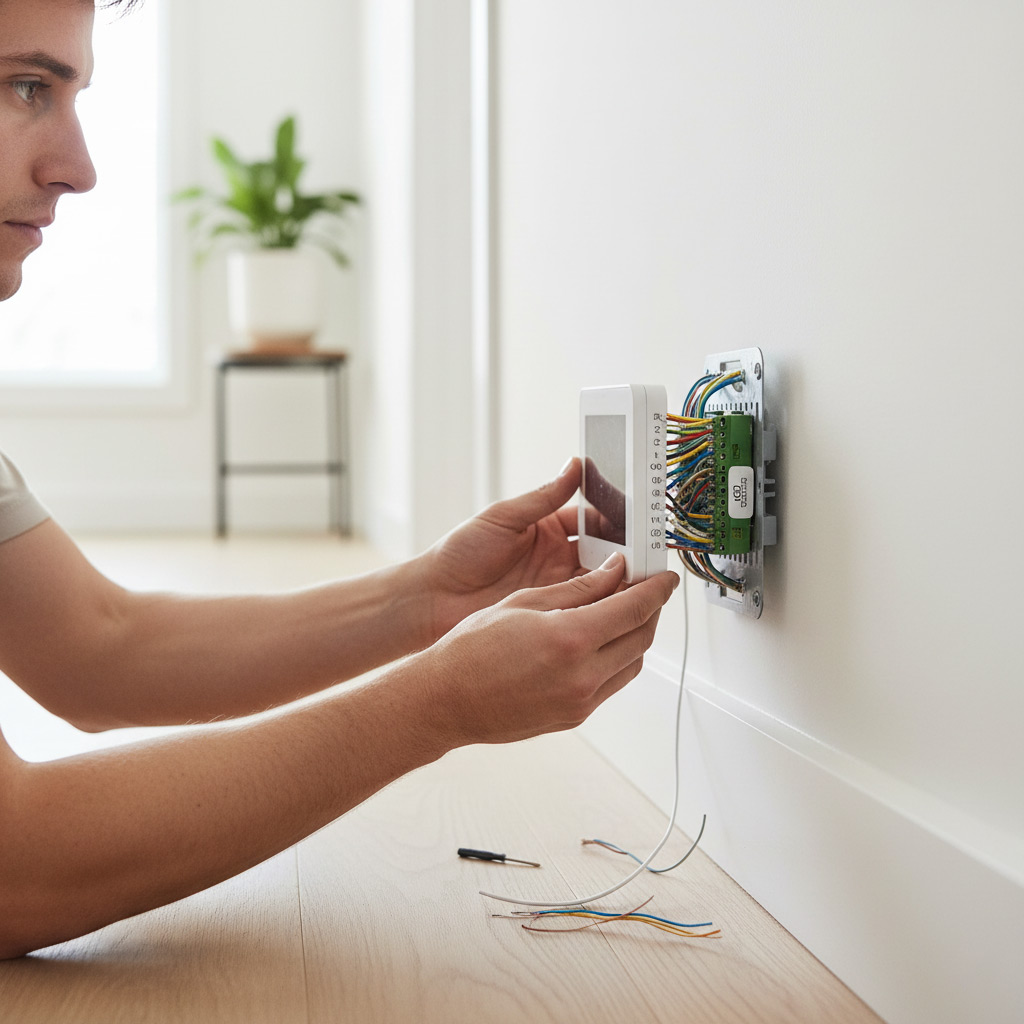
Set the thermostat 68°F when you’re home, drop it 5° while you’re out. The savings add up fast.
- Program a 2‑hour setback for evenings.
- Use “away” mode on weekends.
- Let the system run a short “recovery” cycle before you arrive.
Seal the Leaks, Keep the Heat In
Air that escapes through cracks is money walking out the door. Check windows, doors, and attic hatches.
- Apply weather‑stripping to doors.
- Install foam gaskets on outlet covers.
- Insulate exposed ductwork with R‑6 wrap.
Upgrade the Components That Matter
A variable‑speed blower can cut consumption by up to 30 %. It moves air gently, so the furnace doesn’t have to work overtime.
- Swap a single‑stage motor for a two‑stage or variable‑speed model.
- Replace old filters with high‑MERV options.
- Schedule a professional tune‑up before the first freeze.
Case Study: Restoring Peak Performance for a Surprise Homeowner’s Furnace
Background
When the Martinez family noticed a 20‑minute lag before heat reached the living room, they assumed it was a normal “cold‑start.” Reality check: the furnace was sputtering, the blower motor was whining, and the energy bill had jumped 15% in one month.
Key symptoms they reported:
- Weak airflow on the second floor
- Frequent short‑cycling
- Dusty vents despite regular filter changes
What We Did
Our certified tech arrived, ran a quick diagnostic, and uncovered three hidden culprits: a clogged heat exchanger, a misaligned blower wheel, and an outdated thermostat.
We tackled each issue in a single service window:
- Heat exchanger: brushed out carbon buildup, then pressure‑tested for leaks.
- Blower wheel: realigned and lubricated to restore proper airflow.
- Thermostat upgrade: installed a Wi‑Fi model that learns the family’s schedule.
Results
Within 48 hours the Martinez home was hitting the set temperature in under five minutes. Their monthly energy cost dropped by $45, and the furnace ran smoother than ever.
Takeaway: a few targeted fixes can turn a struggling unit into a reliable heat source, saving both comfort and cash.
Final Words
Keeping your furnace humming isn’t a once‑a‑year chore; it’s a habit that pays off in comfort and cash. Schedule a professional tune‑up before the first chill hits, and treat the simple tasks in this guide like a daily stretch for your system.
Quick‑Hit Action List
- Swap the filter every 30‑60 days – dirty filters choke airflow.
- Check the thermostat batteries and calibrate the settings.
- Inspect the vent grilles for dust buildup; a quick vacuum does wonders.
- Listen for odd noises; a rattling or squealing furnace screams for attention.
- Mark your calendar for a professional inspection before the season flips.
When you’re ready to go deeper, explore our full suite of services under the Furnace Maintenance category. A well‑maintained furnace is the quiet hero of every Surprise home – treat it right, and it’ll return the favor all winter long.
People Also Ask
How often should I schedule furnace maintenance in Surprise, AZ?
A professional inspection is recommended at least once a year, ideally in the fall before the heating season begins. Regular maintenance helps prevent breakdowns during the hot desert winters.What type of furnace works best for the climate in Surprise, AZ?
High-efficiency gas furnaces with a AFUE rating of 90% or higher are ideal, as they provide reliable heat while minimizing energy costs in the mild to cool winter nights typical of Surprise.Can I replace my furnace filter myself, and how often?
Yes, filter replacement is a simple DIY task. Change the filter every 30‑90 days depending on usage and whether you have pets or allergies.What are the warning signs that my furnace needs professional service?
Look for uneven heating, strange noises, frequent cycling, or a sudden increase in utility bills. Any of these symptoms indicate a technician should inspect the system promptly.How can I improve my furnace’s energy efficiency without a full replacement?
Seal duct leaks, upgrade to a programmable thermostat, and keep vents unobstructed. Regular cleaning and timely filter changes also boost efficiency and lower heating costs.
Surprise HVAC brings over a decade of residential and commercial climate‑control expertise to the Surprise, AZ community. Their team of certified technicians delivers reliable heating and cooling solutions tailored to local needs. Committed to energy efficiency and responsive service, they keep homes and businesses comfortable year‑round.
Need HVAC?
Rapid, reliable HVAC repair and installation that keeps your home comfortable in Surprise, AZ and surrounding ZIPs (85374, 85379, 85301, 85345, 85351). Our certified technicians diagnose and resolve issues on the first visit, so you stay cool or warm without delay.
Get HVAC Quote