
Picture this: you step into your Surprise home after a blistering day, and the temperature greets you like a cool handshake—no sweat, no shiver, just perfect comfort.
Most homeowners think any thermostat will do, but the wrong pick can leave you fighting the thermostat button all winter and blowing money on wasted energy all summer.
Surprise’s desert swings mean you need a device that handles scorching heat and chilly nights without breaking a sweat, and that knows how to talk to the HVAC gear you already have.
Stick around and we’ll walk you through the exact questions to ask, the features that actually matter, and how to lock in a deal that won’t bite you later.
Assessing Your Existing HVAC System and Wiring Compatibility
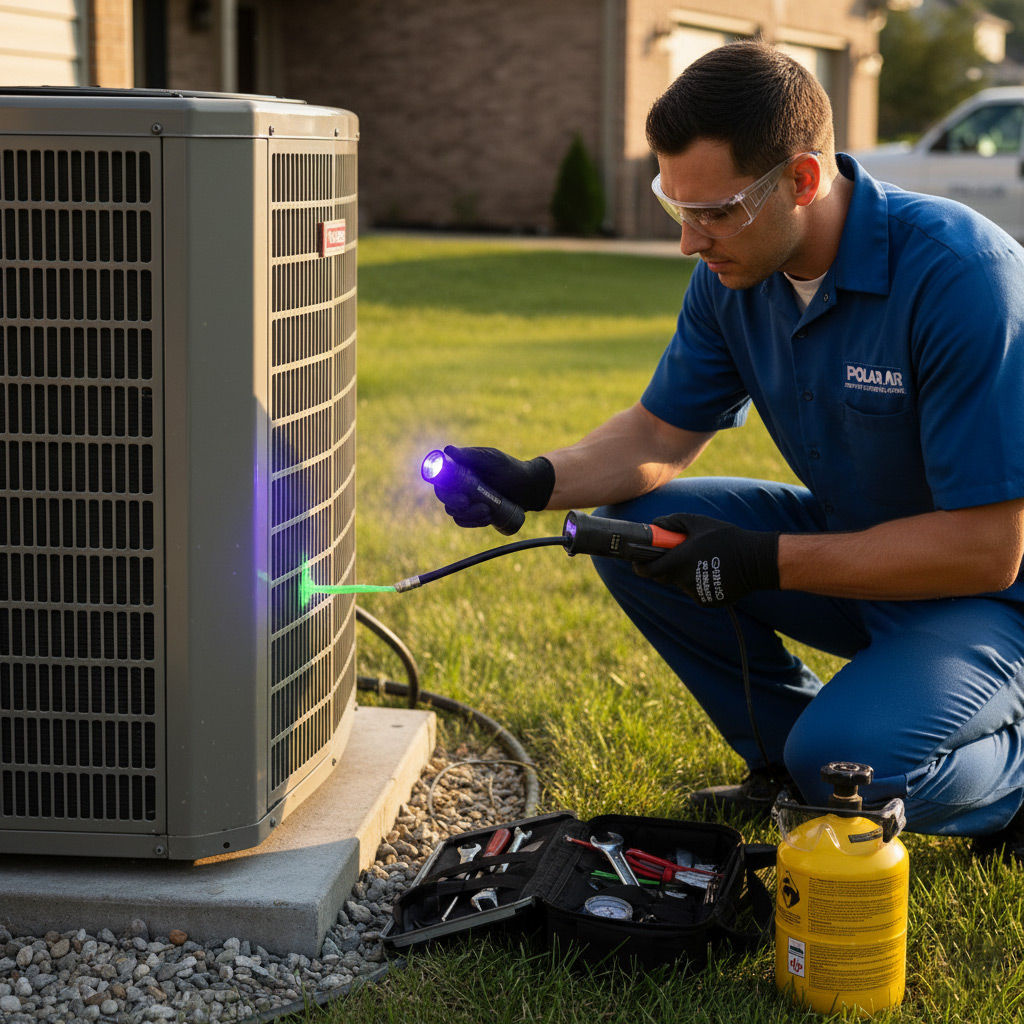
Before you even glance at a price tag, you have to know what you’re working with. Take a quick walk to your furnace or air‑conditioner and locate the control board – that’s where the thermostat talks to the rest of the system. If the board shows a simple two‑wire setup, you’re looking at a basic line‑voltage system; three or four wires usually mean low‑voltage, which opens the door to more sophisticated units.
Identify the Wiring Game
- Two wires (R & W) – most likely a legacy system, limited features.
- Three wires (R, W, Y) – adds cooling control, good for basic programmable models.
- Four or more wires (R, W, Y, G, C) – ready for smart thermostats that need constant power.
- Extra terminals like O/B for heat pumps or E for emergency heat – signals a more complex setup.
Next, check the voltage. Grab a multimeter or call a pro; you’ll see either 24 V AC for most residential units or 120 V AC for line‑voltage heat strips. Mismatched voltage is a recipe for fried components and a nasty bill.
Match the System Type
Is your home running a single‑stage furnace, a two‑stage heat pump, or a variable‑speed blower? Each type expects a different signal from the thermostat. A single‑stage unit only needs “on” or “off,” while a two‑stage system looks for “low” and “high” commands. If you pick a thermostat that can’t speak the language, you’ll waste energy and comfort.
Must‑Have Thermostat Features for Surprise’s Extreme Temperatures
Temperature‑Guarded Programming
Surprise summers can hit 115°F, while winter nights dip below 40°F. You need a thermostat that lets you set high‑heat cutoffs and low‑heat safeguards so the system never over‑works.
Look for models with dual‑stage control—they’ll dial back the compressor when the house hits the set point, then kick back in if the temperature spikes again.
Smart Weather Sync
A built‑in weather sensor or Wi‑Fi link to a reliable forecast service lets the thermostat pre‑adjust for heat waves or cold fronts before you even notice a change.
Features to hunt for:
- Real‑time outdoor temperature readout
- Automatic “heat‑wave” mode that boosts cooling efficiency
- “Freeze‑protect” setting that kicks on when night temps dip low
Energy‑Saving Extras That Actually Pay Off
Programmable schedules are a given, but the ones that learn your habits and adapt are worth the extra bucks.
Key add‑ons include:
- Geofencing – the thermostat knows when you’re home or away
- Humidity control – keeps indoor moisture in check, crucial for desert climates
- Backup battery – keeps the unit running during power outages, so you never lose control

Smart vs. Traditional Thermostats: Which Is Right for Your Home?
Smart thermostats are the tech‑savvy kid on the block. They learn your schedule, adjust on the fly, and let you tweak the temperature from your phone while you’re at the grocery store. In a place like Surprise, where the sun can scorch at 110°F and drop to 40°F at night, that kind of adaptability can shave dollars off your bill.
What a Smart Thermostat Actually Does
- Learning algorithms that remember when you’re home, away, or sleeping.
- Remote control via iOS, Android, or voice assistants.
- Energy reports that show you where you’re wasting heat or cool.
- Geofencing – it knows when you’re in the driveway and pre‑cools or pre‑heats.
Traditional thermostats keep it simple: turn the dial, set a schedule, and walk away. They’re cheap, reliable, and work with almost any HVAC system without a firmware update. If your home runs a basic furnace‑only setup or you’re on a tight budget, a classic model might be the smarter choice.
When a Classic Model Still Wins
- No Wi‑Fi needed – perfect for spotty internet neighborhoods.
- Easy to install; most DIYers can wire it in under an hour.
- Lower upfront cost – you can upgrade later if you change your mind.
- Fewer compatibility headaches with older heat pumps or multi‑stage units.
Bottom line: match the thermostat to your lifestyle, not the hype. If you love data, have a solid internet connection, and want to fine‑tune every degree, go smart. If you prefer plug‑and‑play, a traditional unit will get the job done without the extra bells and whistles.
Calculating Energy Savings and ROI with Programmable Settings
When you set a thermostat to match your daily rhythm, you’re not just getting comfort—you’re cutting waste. Every degree you shave off a night‑time cooling cycle can shave dollars off your bill. In Surprise’s desert heat, that adds up faster than you think.
Do the math yourself
Grab a calculator and plug in these three numbers:
- Average daily run‑time of your AC or furnace (hours)
- Cost per kilowatt‑hour from your utility (cents)
- Temperature delta you plan to program (°F)
Multiply run‑time by cost, then adjust for the delta. A 2 °F setback for eight hours can save roughly 5‑10 % on cooling. That’s $30‑$60 a year on a typical $600 bill.
Real‑world payoff
Now look at the thermostat’s price tag. A mid‑range programmable unit runs $120‑$180. If you save $45 a year, the payback period is under four years. Add a smart feature that learns your habits, and you could shave another 2‑3 %—pushing the ROI even sooner.
DIY Installation Tips vs. When to Call a Certified Surprise HVAC Pro
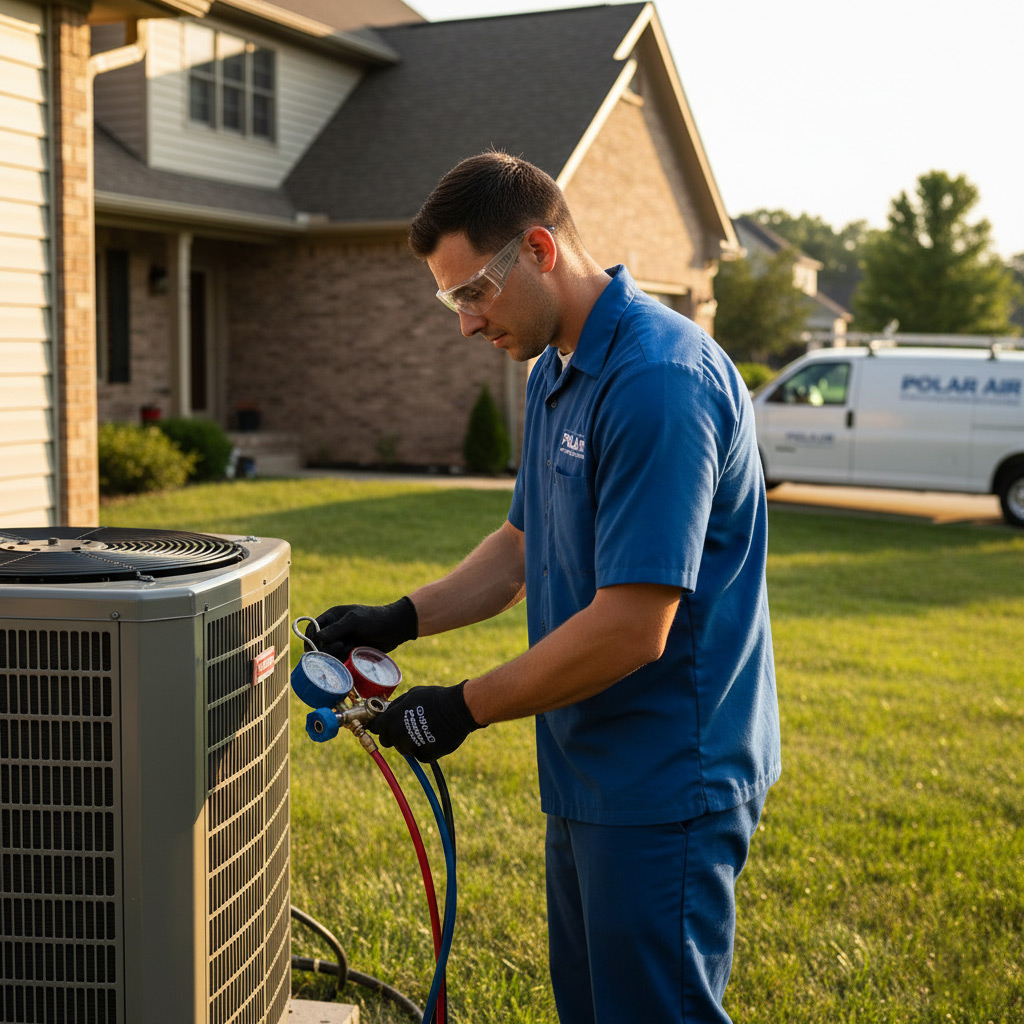
If you’ve got a steady hand and a basic screwdriver, swapping out an old thermostat can be a weekend win. First, shut off power at the breaker—no shortcuts here. Then, label each wire with the tags that came in the kit; those little stickers save you from a guess‑work nightmare later.
What You Can Do Yourself
- Confirm your system’s voltage (most residential units run on 24 V).
- Match the old wiring diagram to the new thermostat’s terminal chart.
- Secure the base plate, snap the thermostat on, and run a quick test before you close the wall plate.
- Program the basic schedule; you’ll fine‑tune it later.
Even with a perfect fit, a mis‑wired thermostat can fry your furnace or AC. If you spot any unfamiliar wires—like a C‑wire that wasn’t there before—pause and call a pro. A certified Surprise HVAC technician will trace the circuit, add a transformer if needed, and guarantee the system talks to the thermostat without a hiccup.
When to Call the Pros
- Your home uses a multi‑stage system or heat pump with auxiliary heat.
- There’s no existing C‑wire and you’re not comfortable pulling one from the breaker box.
- Old wiring looks frayed, corroded, or you see more than three colored wires.
- You want integration with a whole‑home automation platform.
Hiring a licensed installer isn’t just about avoiding a bad connection; it’s about protecting your warranty and ensuring the thermostat’s software calibrates correctly. A local pro knows the quirks of Surprise’s desert climate and can set up zoning or smart alerts that keep your energy bill in check.
Case Study: How a Surprise Family Cut Their Energy Bill in Half with the Right Thermostat
The Family’s Situation
When the Martinez family moved into their 2,300‑sq‑ft ranch in Surprise, they were hit with a $250 summer electric bill that felt like a punch in the gut. Their old analog thermostat was stuck at 78 °F, then jumped to 68 °F at night, leaving the house either roasting or freezing.
They called us after a neighbor mentioned a “smart” thermostat that could actually *talk* to their 3‑ton AC and 2‑stage furnace. The goal? Stop the thermostat from playing roulette with comfort and costs.
Choosing the Right Device
We matched the Martinez’s 24‑V low‑voltage system with a Wi‑Fi‑enabled programmable thermostat that supports dual‑stage heating and has a built‑in humidity sensor. The key features they needed were:
- Geofencing – the unit knows when the family is home or away.
- Adaptive recovery – it pre‑cools the house before the desert heat hits.
- Compatibility with their existing wiring – no rewiring nightmare.
Installation was a quick 90‑minute job for our certified tech, who also calibrated the sensor to keep indoor humidity around 45 %.
Results That Speak Volumes
Within the first month, the Martinez’s energy monitor showed a 48 % drop in AC runtime. Their next bill came in at $130, almost exactly half of what they paid before.
Beyond the dollars, they noticed a steadier temperature swing—no more “ice‑cream‑cone” mornings or “sweat‑drip” evenings. The thermostat’s app sent them weekly reports, so they could see savings stack up in real time.
Final Words
Before you lock in that thermostat, make sure you’ve tested the compatibility with your existing furnace or AC. A quick glance at the wiring diagram can save you a weekend of headaches.
Quick Checklist
- Verify C‑wire presence or opt for a battery‑backed model.
- Match the voltage rating (24 V is standard for most residential units).
- Confirm Wi‑Fi range covers every corner of your Surprise home.
Once the basics are cleared, you’ll be ready to reap the savings without second‑guessing your choice.
Next Steps
Need a professional eye? Our certified Surprise HVAC pros can validate the install and fine‑tune the settings for peak performance. Thermostat Installation is just a click away, and we’ll have your home feeling just right—no sweat, no shiver.
People Also Ask
What type of wiring do I need for a new thermostat in Surprise, AZ?
Most modern thermostats use low‑voltage (24 V) wiring, which is standard in residential HVAC systems. Check your existing thermostat’s wires—common labels are R, C, W, Y, and G—to ensure compatibility before purchasing.Are smart thermostats worth the extra cost in the desert climate?
Yes, smart thermostats can adapt to extreme temperature swings by learning your schedule and adjusting setpoints automatically, often saving 10‑15 % on energy bills. The convenience of remote control and detailed usage reports adds value beyond the initial price.Can I install a programmable thermostat myself, or should I hire a professional?
If your current thermostat uses a simple C‑wire setup and you’re comfortable turning off power and matching wire labels, a DIY install is feasible. However, for complex systems, multi‑stage units, or when wiring is unclear, a certified Surprise HVAC pro ensures safety and proper calibration.How do I calculate the ROI of upgrading to a programmable thermostat?
Estimate your annual HVAC energy cost, then apply the typical 10‑15 % savings projected for programmable models. Divide the expected annual savings by the thermostat’s purchase and installation cost to determine the payback period, often under two years.What features should I prioritize for a thermostat in Surprise’s hot summers?
Look for heat‑wave alerts, adaptive recovery, and robust cooling‑mode controls that pre‑cool your home before peak temperatures. A clear, backlit display and reliable Wi‑Fi connectivity are also essential for easy monitoring.
Surprise HVAC brings over a decade of residential and commercial climate‑control expertise to the Surprise, AZ community. Their team of licensed technicians is dedicated to delivering reliable heating and cooling solutions tailored to local needs. With a focus on prompt service and lasting performance, they keep homes and businesses comfortable year‑round.
Need HVAC?
Rapid, reliable HVAC repair and installation that keeps your home comfortable in Surprise, AZ and surrounding ZIPs (85374, 85379, 85301, 85345, 85351). Our certified technicians diagnose and resolve issues on the first visit, so you stay cool or warm without delay.
Get HVAC Quote