
Your AC just coughed up a weird noise and the house feels like a sauna – don’t rush to the phonebook yet.
Most homeowners jump to the “call a pro” reflex, but a handful of tell‑tale signs can tell you if the problem is a simple fix or a real emergency.
Skipping the quick self‑check can cost you extra dollars and time, especially when the issue is something you could have spotted in minutes.
Answer these five questions and you’ll know whether it’s time to dial a tech or roll up your sleeves and handle it yourself.
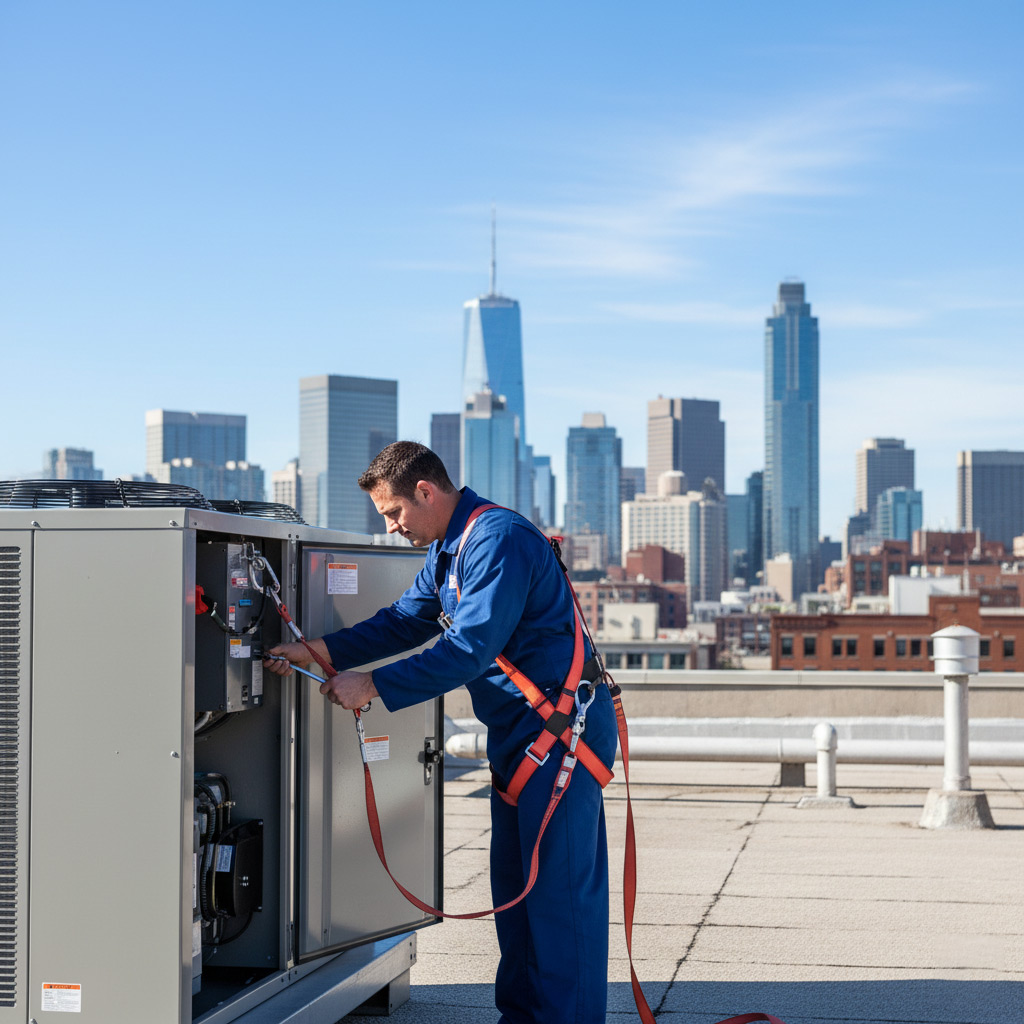
Unusual Noises: What They Mean and How to Diagnose Them
When your AC starts rattling like a junkyard, it’s not just annoying—it’s a warning light. Ignoring the sound can turn a cheap repair into a costly replacement. The good news? Most noises have a simple story you can read in a minute.
Common Noise Types and Their Likely Culprits
- Buzzing or humming – usually a motor that’s working harder than it should. Check the capacitor for swelling.
- Clicking – often a relay or a loose fan blade hitting the housing.
- Rattling or clanking – could be a loose screw, a broken fan blade, or debris caught in the blower.
- Squealing – classic sign of a worn-out belt or a failing bearing.
- Hissing – may indicate a refrigerant leak or a pressure issue in the line.
DIY Diagnosis Steps
- Turn off the unit and listen from the outside. Pinpoint where the sound originates.
- Open the service panel (only if you’re comfortable). Look for obvious loose parts or debris.
- Give the fan blades a gentle spin by hand. If they wobble, the bearing is probably the problem.
- Smell for any sweet or chemical odor—if it’s there, you might have a refrigerant leak.
- Write down what you hear and see. A clear description saves the tech’s time and your money.
Inconsistent Temperatures and Weak Airflow: Quick Self‑Check Steps
Step 1 – Peek at the Filters
First thing’s first: pull the return grille and glance at the air filter. Clogged filters choke the system, causing hot spots and a feeble breeze. If it looks dark or feels gritty, replace it with a new one – a 30‑second job that can restore flow instantly.
Step 2 – Verify Vents and Registers
Walk around each room and make sure every vent is fully open. Closed or obstructed registers are a sneaky culprit for uneven cooling. Clear away furniture, rugs, or anything blocking the airflow, then feel the air for a few minutes.
Step 3 – Check the Thermostat and Door Seals
Make sure the thermostat is set to “cool” and the fan is on “auto,” not “on.” A mis‑set fan can blow warm air continuously. Next, run a quick hand‑test on exterior doors and windows; drafty gaps let conditioned air escape, forcing the unit to work harder.
Step 4 – Inspect Ductwork Basics
- Look for obvious dents or loose connections in visible ducts.
- Listen for whistling sounds that signal leaks.
- Seal minor gaps with foil‑backed tape – a cheap fix that can boost airflow.
If after these checks the house still feels like a sauna in one corner and a freezer in another, it’s time to call a pro. But often, a simple filter swap or vent tweak does the trick, saving you a call and a bill.
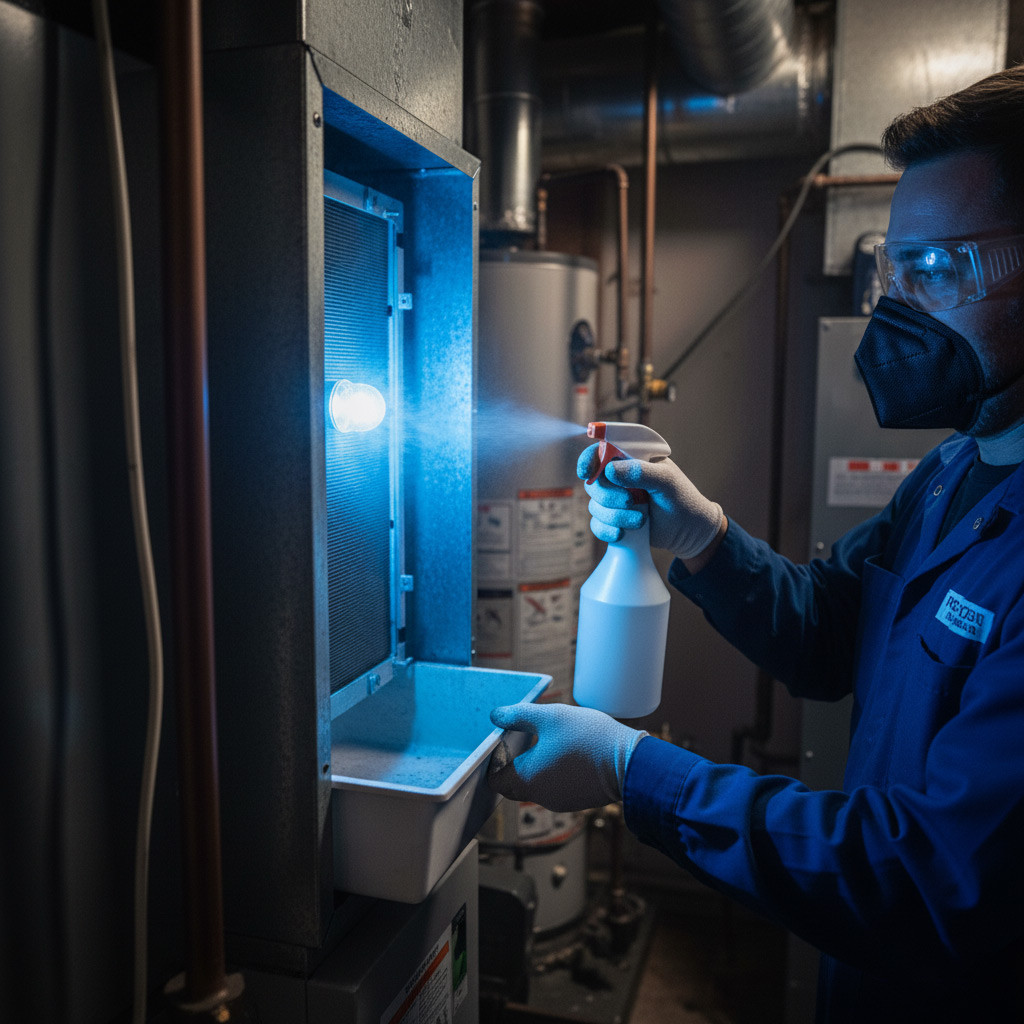
Thermostat Glitches: When to Reset, Reprogram, or Replace
Reset – The Quick‑Fix First Aid
Before you start hunting for a new thermostat, try a simple power cycle. Turn off the breaker for a minute, then flip it back on. Most electronic hiccups clear up like a hiccup after a glass of water.
If the display still shows a frozen screen or random numbers, check the batteries. A weak cell can cause erratic behavior that looks like a system failure.
Reprogram – Fine‑Tuning the Settings
Modern thermostats let you tweak schedules, fan modes, and even humidity targets. A mis‑set schedule can make the house feel like a freezer at night and a sauna by day.
- Verify the mode: Cool, Heat, or Auto.
- Confirm the temperature set‑point matches the season.
- Run a calibration test if your model offers one.
When the unit follows the new program without lag, you’ve likely saved a service call.
Replace – When the Thermostat Has Said Its Goodbyes
If you notice continuous error codes, dead batteries that never revive, or a screen that’s permanently dim, it’s time to retire the old guard.
Older analog units lack the diagnostics that newer smart models provide, meaning they can’t talk to your HVAC system effectively. Upgrading not only restores control but can shave a few percent off your monthly bill.
Rising Energy Bills: Spotting Efficiency Loss Early
Did your electric bill jump higher than a desert sunrise? Before you blame the utility, take a quick look at your system. A few simple clues can tell you whether your HVAC is just working harder or actually broken.
Check the basics first
Start with the stuff you can see and touch. A clogged filter forces the blower to strain, and dirty coils act like a blanket over your unit.
- Filter: Replace if it looks gray or feels gritty.
- Coils: Look for dust buildup; a quick brush can save dozens on power.
- Seal leaks: Gaps around doors and windows let conditioned air escape.
Fixing these three items often drops the bill by 10‑15 %. It’s cheap, fast, and you’ll feel the difference the next time you turn the thermostat.
When the numbers scream “something’s wrong”
If you’ve cleaned the filter and the bill is still climbing, it’s time to dig deeper. A failing compressor or low refrigerant makes the system run longer, and a mis‑calibrated thermostat can keep the fan on when it shouldn’t.
- Compressor humming: Listen for a high‑pitched whine; that’s a red flag.
- Refrigerant level: Low charge means the evaporator can’t absorb heat efficiently.
- Thermostat settings: Reset to factory defaults and reprogram; old code can cause phantom cooling cycles.
Spotting these issues early saves you from a $300‑plus repair later. A quick self‑check now keeps your wallet cool and your home comfortable.
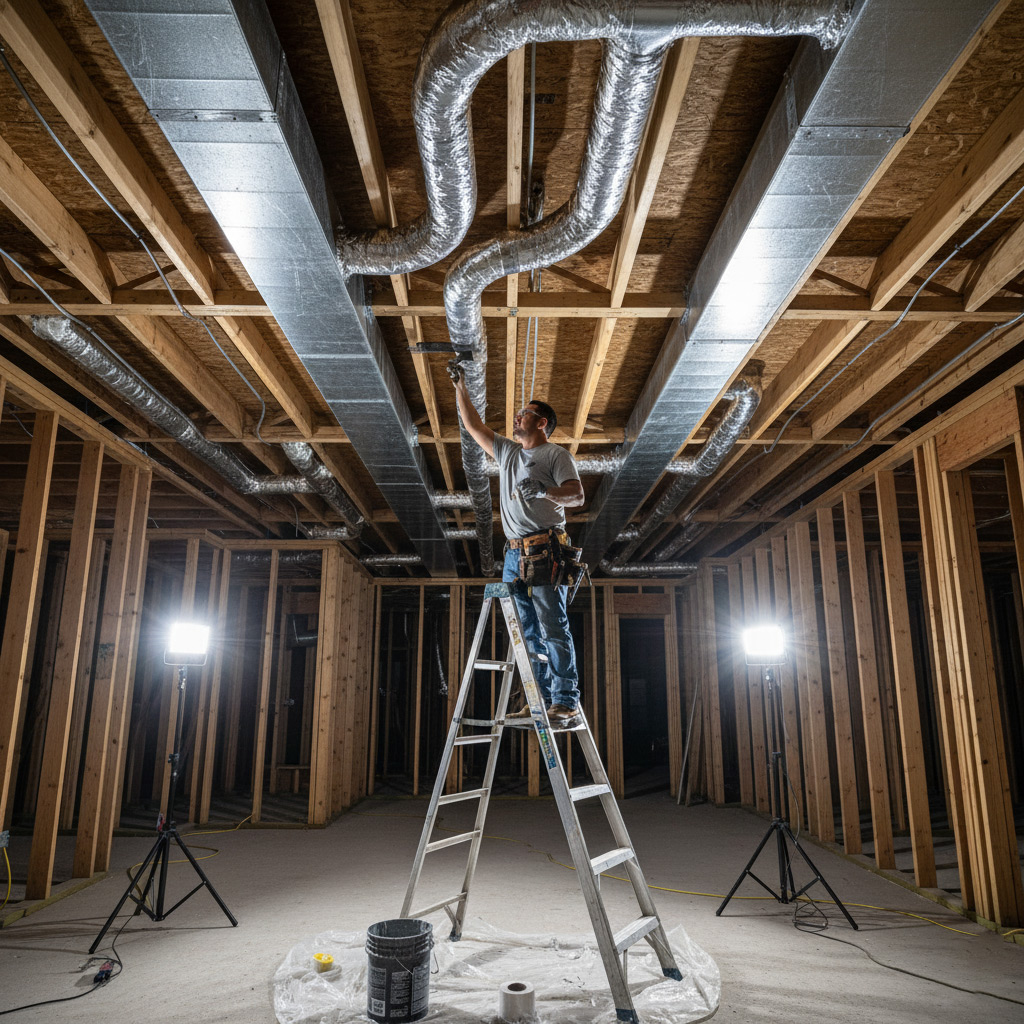
Safety Red Flags: Carbon Monoxide, Refrigerant Leaks, and Electrical Issues
Carbon Monoxide: The Silent Killer
CO is odorless, colorless, and deadly. If your furnace or water heater is sputtering, you might be breathing poison.
Watch for these warning signs:
- Headaches, dizziness, or nausea that disappear when you leave the house.
- Flashing or dimming lights when the HVAC kicks on.
- Any new carbon monoxide alarm chirp – never ignore it.
Refrigerant Leaks: Not Just a Cool Problem
A hissing sound or ice buildup on the evaporator coil usually means refrigerant is escaping.
Leaking refrigerant not only hurts performance, it can damage the compressor beyond repair.
- Check for oily residue around connections.
- Feel for a cold spot on the copper lines – a warm patch often means a leak.
- Notice a sudden drop in cooling capacity? That’s a red flag.
Electrical Red Flags: Sparks Before the Storm
Flickering lights or tripping breakers when the AC starts are more than a nuisance.
These symptoms point to loose wiring, a failing capacitor, or a burnt motor.
- Smell burnt insulation or see blackened wires.
- Listen for a high‑pitched whine from the outdoor unit.
- Any buzzing or humming that isn’t normal operation? Call a pro immediately.
Case Study: How a Surprise, AZ Homeowner Fixed a Faulty Condenser and Saved $1,200
The Problem
When Mark noticed his AC sputtering and the indoor temperature climbing past 85°F, he assumed the worst—an expensive repair call. Instead of dialing a tech right away, he grabbed his flashlight and inspected the outdoor unit.
The DIY Diagnosis
Mark’s quick visual sweep revealed three red flags:
- Frost forming on the coil despite a scorching day.
- A loud, rattling clank every time the fan kicked on.
- Visible debris choking the condenser’s fins.
He followed a simple three‑step fix:
- Turned off power, removed the debris with a garden hose, and let the fins dry.
- Replaced the worn fan motor bearing (a $45 part from the local hardware store).
- Applied a coil‑cleaning spray to melt the frost and improve airflow.
The Payoff
Within an hour, the unit hummed smoothly and the house cooled back to a comfortable 72°F. Mark’s electricity bill dropped by 15% over the next month, and he avoided a $1,200 service call that would have included a full condenser replacement. Lesson learned: a little curiosity and a few tools can keep your wallet—and your home—comfortable.
Before you pick up the phone, give yourself a quick sanity check. If the issue fits any of the five red flags we covered, it’s probably time to call a certified tech. If not, you might just need a little DIY elbow grease and a fresh filter. When you’re ready to go beyond the basics, a professional HVAC Tune‑Up can catch hidden wear, balance refrigerant levels, and verify safety sensors. A well‑tuned system not only runs smoother but also protects your wallet from surprise repair bills later on. Surprise HVAC brings over a decade of residential and commercial climate‑control expertise to the Surprise, AZ community. Their team of certified technicians delivers reliable heating, cooling, and indoor‑air‑quality solutions tailored to local needs. Committed to responsive service, they prioritize comfort and efficiency for every client. Rapid, reliable HVAC repair and installation that keeps your home comfortable in Surprise, AZ and surrounding ZIPs (85374, 85379, 85301, 85345, 85351). Our certified technicians diagnose and resolve issues on the first visit, so you stay cool or warm without delay.Final Words
Three Quick Actions to Keep Your System Happy
People Also Ask
What are the most common unusual noises from an HVAC system?
A rattling or banging often indicates loose panels or a failing blower motor, while a high‑pitched squeal can signal a worn belt or motor bearings. Identifying the source helps you decide if a simple fix or professional service is needed.
How can I tell if my HVAC’s airflow is weak?
Check each vent for consistent airflow; if some rooms feel cooler or the air feels thin, the filter may be clogged or ducts could be obstructed. Cleaning or replacing the filter is a quick first step before calling a technician.
When should I reset versus replace my thermostat?
If the thermostat is unresponsive or displays incorrect temperatures, a reset or battery change often resolves the issue. Replace it when it’s more than 10 years old, shows physical damage, or repeatedly loses settings.
Why are my energy bills rising even though I’m not using the AC more?
A drop in efficiency—caused by dirty coils, low refrigerant, or a failing compressor—forces the system to work harder, spiking electricity costs. Regular tune‑ups can catch these problems early and restore optimal performance.
What safety signs indicate I need immediate HVAC service?
The presence of a carbon monoxide alarm, a noticeable refrigerant smell, or frequent tripping of circuit breakers are serious red flags. Stop using the system and contact a licensed HVAC pro right away.
Need HVAC?