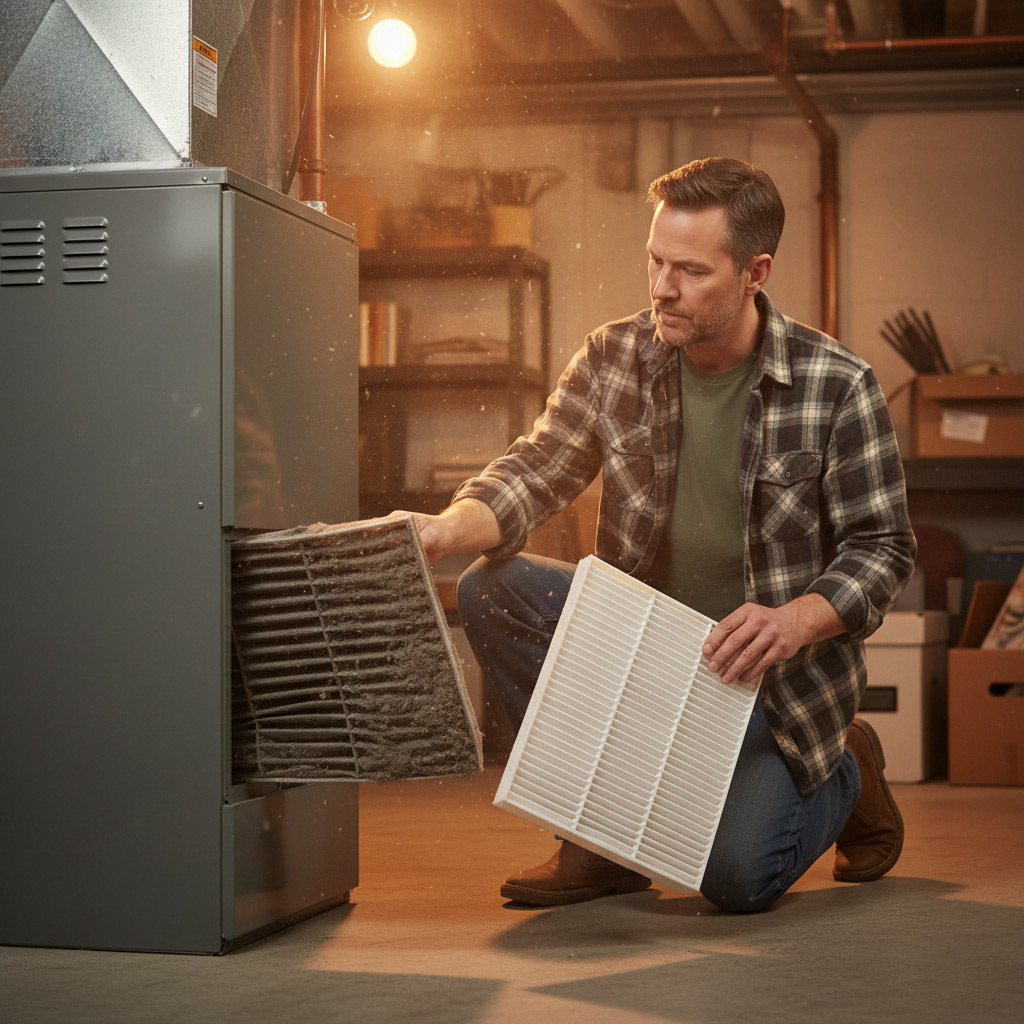
Picture this: you hand over a hefty check for a duct cleaning, only to discover the air in your home still smells like a dusty attic. That’s the kind of sting that makes homeowners in Surprise, AZ swear off service calls forever.
Most of the time the problem isn’t the price tag—it’s the shortcuts the “experts” take. From cheap chemicals that corrode metal to rushed vacuum work that just pushes debris deeper, the mistakes pile up faster than you think.
Living in the desert heat adds its own twist, too. The sand and pollen that swirl through your vents demand a method that actually removes grime, not one that simply shoves it around.
Now that you’ve seen the pitfalls, let’s break down the exact errors that could be costing you more than you realize.

The Hidden Expenses of Inadequate Duct Cleaning
Most homeowners think the bill is the only thing that matters. What they don’t see is the silent toll on their wallet when a half‑hearted cleaning leaves dust, sand, and pollen lurking in the system. Those particles act like tiny roadblocks, forcing the furnace to work harder and driving up your electric bill.
Beyond the utility spike, poor cleaning can shorten the life of your HVAC components. Corroded coils, clogged filters, and strained motors all stem from debris that never got the proper extraction. Replace a blower motor three years early, and you’ve just handed a contractor a big payday.
What you actually pay for
- Higher energy consumption – up to 20% more each month.
- Frequent filter replacements – $15‑$30 per filter, twice the normal rate.
- Premature equipment failure – costly repairs or full system replacement.
- Health‑related expenses – allergies, asthma attacks, and doctor visits.
Skipping a Thorough Pre‑Cleaning Inspection
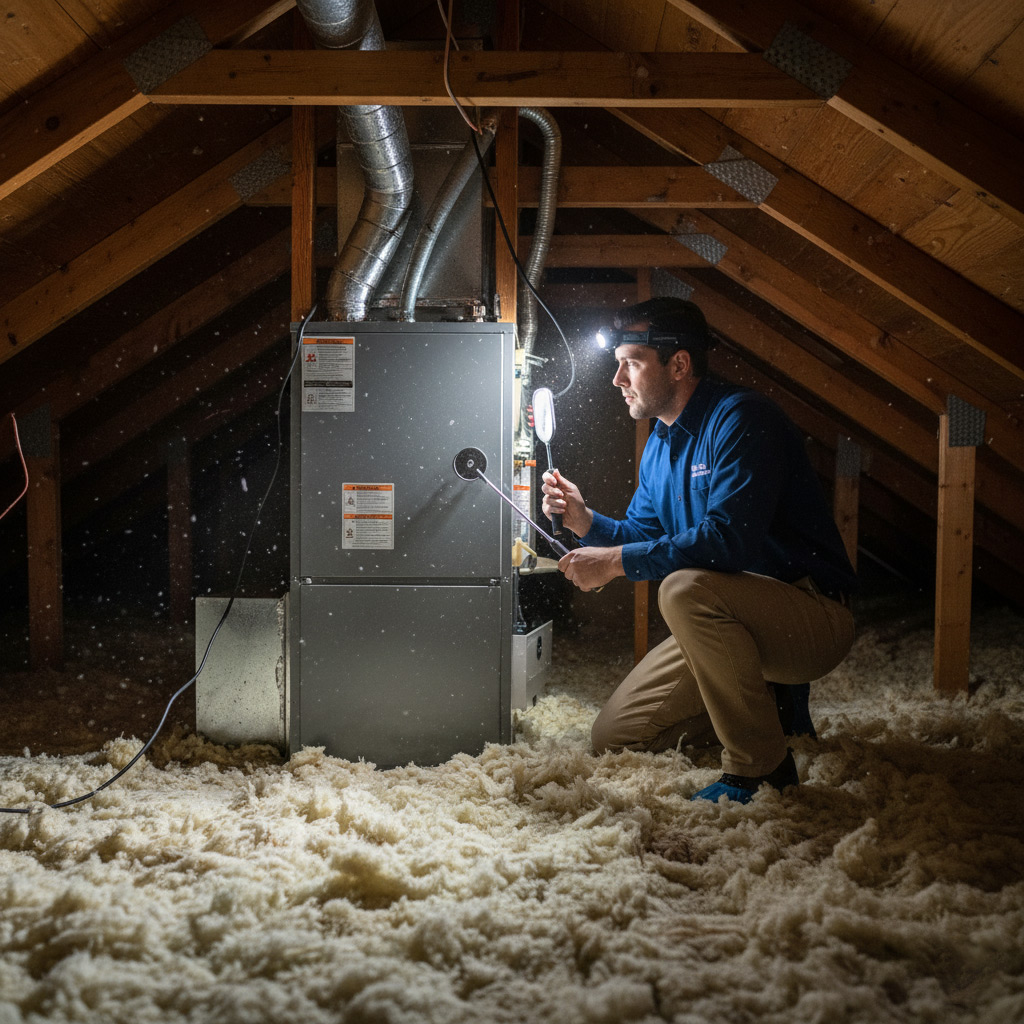
Before any hose hits the ducts, a good tech does a walk‑through. Missing this step is like buying a car without checking the engine – you’ll pay later for hidden damage.
What the inspection actually reveals
During the 15‑minute visual check, the technician looks for:
- Loose or corroded connections that can leak air.
- Signs of mold or water intrusion that need remediation.
- Obvious blockages – think sand piles from the desert wind.
These clues tell you whether a simple vacuum will do or if you need a deeper, more expensive service.
Skipping the inspection means the crew might:
- Use the wrong tool on a fragile metal duct, causing holes.
- Ignore a hidden mold colony, spreading spores throughout the house.
- Leave sand trapped in bends, which will later grind the blower.
When you demand a pre‑cleaning inspection, you get a clear scope of work and a realistic quote. No surprises, no extra fees, just a clean system that actually improves indoor air.
Choosing the Wrong Chemicals and Tools for Desert Air
Desert‑specific chemicals aren’t a luxury, they’re a necessity
Many duct‑cleaning crews reach for the cheapest foaming spray they can find, assuming “all cleaners work the same.” In Surprise’s dry heat, that assumption blows up fast—cheap solvents can eat away at aluminum ducts and leave a residue that attracts more dust.
What you need instead:
- pH‑balanced, non‑corrosive cleaners that dissolve sand‑laden grime without harming metal.
- Biodegradable agents that break down pollen spores without releasing harsh fumes.
- Products certified for use in low‑humidity environments, so they don’t re‑dry into a crust.
Tools that push, not pull, are a recipe for disaster
Relying on a generic shop‑vac might feel cheap, but those machines lack the suction power to extract the fine, gritty particles that settle in desert ducts. The result? A half‑cleaned system that simply shoves debris deeper into the plenum.
Choose equipment built for the Southwest:
- High‑flow, HEPA‑rated vacuums that capture particles as small as 0.3 microns.
- Rotary brush systems with soft, anti‑scratch bristles designed for sand‑laden surfaces.
- Air‑pressure blowers calibrated to move dust out, not back in.
Rushed Vacuum Techniques That Drive Debris Deeper
Why Speed Kills the Job
When a tech grabs the hose and blasts the system in five minutes, the suction often fails to pull the grime out. Instead, the airflow reverses, shoving dust, sand, and pollen farther into bends and elbows. The result? A “clean” that’s really just a new hiding spot for contaminants.
What Proper Vacuuming Looks Like
A disciplined approach uses a high‑efficiency, negative‑pressure unit that holds steady for at least ten minutes per section. The tech should:
- Seal each register with a tight‑fit cover to prevent air leaks.
- Pause every 2‑3 minutes to check the collection bag for clogs.
- Move the hose slowly, letting the motor do the work instead of forcing it.
Consequences of the Shortcut
Rushing can push fine particles into the coil, where they act like insulation and force the furnace to work harder. That extra strain spikes your electric bill and shortens equipment life. One quick fix today can become a costly repair tomorrow.
Overlooking Sand, Pollen, and Desert‑Specific Contaminants
Why Desert Dust Matters
In Surprise, the wind carries fine sand that slips into every crack of your ductwork. One grain can become a sandstorm inside your HVAC system, grinding fan blades and reducing airflow. Ignoring this means you’ll pay for premature part failure.
Pollen and Seasonal Intruders
Spring brings a tidal wave of ragweed, oak, and mesquite pollen. These particles love to cling to duct surfaces and can trigger allergies even when the windows are shut. A proper clean removes the pollen, not just shoves it deeper.
Targeted Cleaning Tactics
Effective desert‑specific cleaning uses a sealed‑system vacuum and a low‑pressure water rinse. This combo lifts sand and pollen without scattering them back into the home. Look for technicians who:
- Employ HEPA‑rated vacuums that trap particles down to 0.3 microns.
- Apply a gentle, biodegradable surfactant designed for desert dust.
- Seal all registers during the job to keep contaminants from escaping.
Case Study: Transforming Air Quality in a Surprise, AZ Home
Background
A family of four in north‑west Surprise called us after months of sneezing and a musty smell that lingered even after they changed their HVAC filter. Their old system was a 12‑year‑old carrier, and the ducts had never been professionally cleaned.
They were skeptical. “We’ve tried a cheap service before, and it did nothing,” the homeowner said. That’s why we started with a full inspection before touching a single tool.
The Process
First, we sealed every register and used a high‑flow camera to map the blockage points. The video showed a thick layer of sand‑laden dust hugging the metal ribs. Then we:
- Applied a desert‑safe, non‑corrosive cleaning agent that breaks down sand particles without eating the duct metal.
- Used a rotary brush system that scrubs the interior while a HEPA‑rated vacuum pulls the debris straight out.
- Performed a post‑clean blow‑out with filtered air to flush out any remaining pollen.
Each step was timed and logged. No shortcuts. No rushed vacuum work that pushes grime deeper.
Results
Within 48 hours, the family reported a noticeable difference. The air felt cleaner, and the dust on surfaces dropped by more than 70 %. An indoor air quality test confirmed a drop from 0.45 mg/m³ to 0.12 mg/m³ of particulate matter.
They also saved money. By cleaning the ducts properly, the HVAC system ran 12 % more efficiently, shaving off a few hundred dollars from their monthly electric bill.
Final Words
Don’t let a cheap fix turn into a pricey nightmare. The moment you notice stale air or a lingering dust smell, grab the phone and book a full‑service duct inspection. A reputable Surprise, AZ crew will pull the plug, check every register, and tell you exactly what’s lurking in those metal tunnels.
Three quick checks you can run yourself
- Visual sweep: Open a vent and look for visible buildup. If you see a layer thicker than a fingernail, it’s time for a professional.
- Feel the airflow: Hold a piece of paper near the vent. If it flutters weakly, the ducts are probably clogged.
- Sniff test: A musty or sandy odor means contaminants are still hanging around.
When you’re ready to move past guesswork, head over to our Duct Cleaning page. We specialize in desert‑specific solutions that actually pull the grit out, not just shove it deeper. Your home’s air quality will thank you, and your wallet will stay a little heavier.
People Also Ask
What are the hidden costs of not cleaning ducts regularly in Surprise, AZ?
Neglected ducts can cause higher energy bills, premature HVAC wear, and costly repairs due to restricted airflow and dust buildup. In desert climates, the accumulation of sand and pollen accelerates these expenses.Why is a pre‑cleaning inspection essential for duct cleaning?
A thorough inspection identifies mold, blockages, and unsafe materials before work begins, preventing damage to the system. It also helps technicians choose the right tools and chemicals for the specific contaminants present.Can using the wrong chemicals damage my HVAC system?
Yes, harsh chemicals can corrode metal components and degrade insulation, leading to expensive replacements. Selecting EPA‑approved, desert‑compatible cleaners protects both the ducts and the equipment.How does rushed vacuuming affect duct cleaning results?
Rushed vacuuming can push debris deeper into the ductwork, spreading contaminants throughout the home. Proper, slow vacuuming ensures debris is fully extracted and air quality improves.What desert‑specific contaminants should I watch for in my ducts?
Sand, fine dust, pollen, and occasional mold spores are common in Surprise, AZ. Ignoring these can cause clogged filters, reduced airflow, and allergic reactions for occupants.
Surprise HVAC brings over a decade of residential and commercial climate‑control expertise to the Surprise, AZ community. Their team of certified technicians is dedicated to delivering reliable heating and cooling solutions tailored to local needs. With a focus on prompt service and lasting performance, they keep homes and businesses comfortable year‑round.
Need HVAC?
Rapid, reliable HVAC repair and installation that keeps your home comfortable in Surprise, AZ and surrounding ZIPs (85374, 85379, 85301, 85345, 85351). Our certified technicians diagnose and resolve issues on the first visit, so you stay cool or warm without delay.
Get HVAC Quote